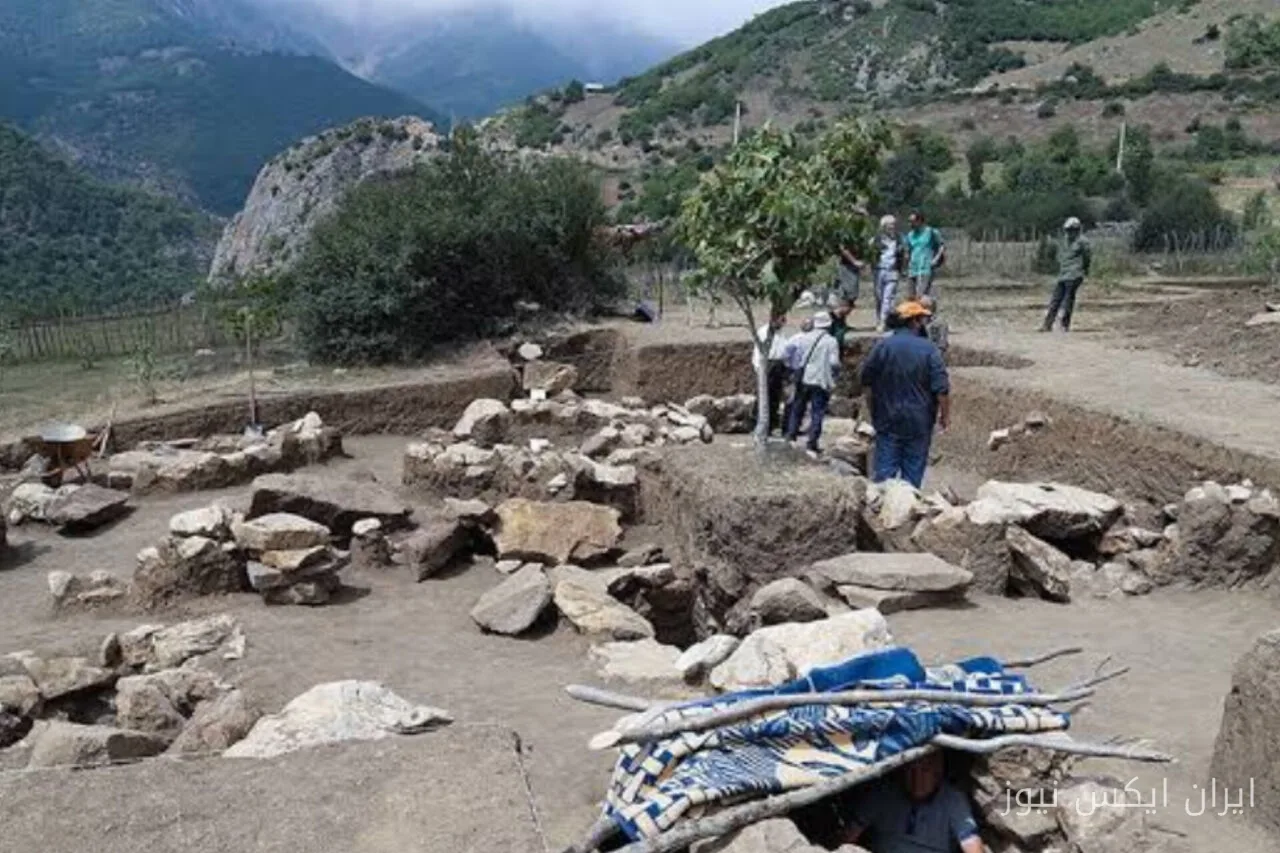
Following archaeological excavations in Izgam Dasht Ramsar, the remains of a baby approximately 6 months old have been discovered. This find, which was obtained in the first trenches of the third season of excavations, has attracted the attention of many anthropologists and archaeologists. This discovery not only clarifies new dimensions of the history of this region but also indicates the existence of specific ethnic borders between Ramsar and its eastern and western areas.
Anthropological Studies and Historical Analysis
The archaeological excavation team believes that physical anthropological studies, in addition to this baby, other burials present in the Izgam Dasht site also indicate the existence of an ethnic border in this region. These discoveries may contribute to a deeper understanding of the lifestyle and burial practices of our ancestors and answer many questions about the history of ethnicities and various cultures.
This discovery, while years have passed since archaeological excavations in this area, opens new horizons for future research. Given that Izgam Dasht Ramsar is one of the ancient sites with tremendous potential, it can be expected that these findings will continue to ignite the curiosity of researchers.
Social and Cultural Implications
On the other hand, these findings may fuel social and cultural discussions in this region. Ethnic borders have not only historical dimensions but also social and cultural aspects that can impact the daily lives of people. This finding may lead to new social movements and direct the community towards exploring their historical roots.
In light of this discovery, it is expected that researchers and history enthusiasts will pay closer attention to the study of this region and reflect on their cultural and historical heritage.