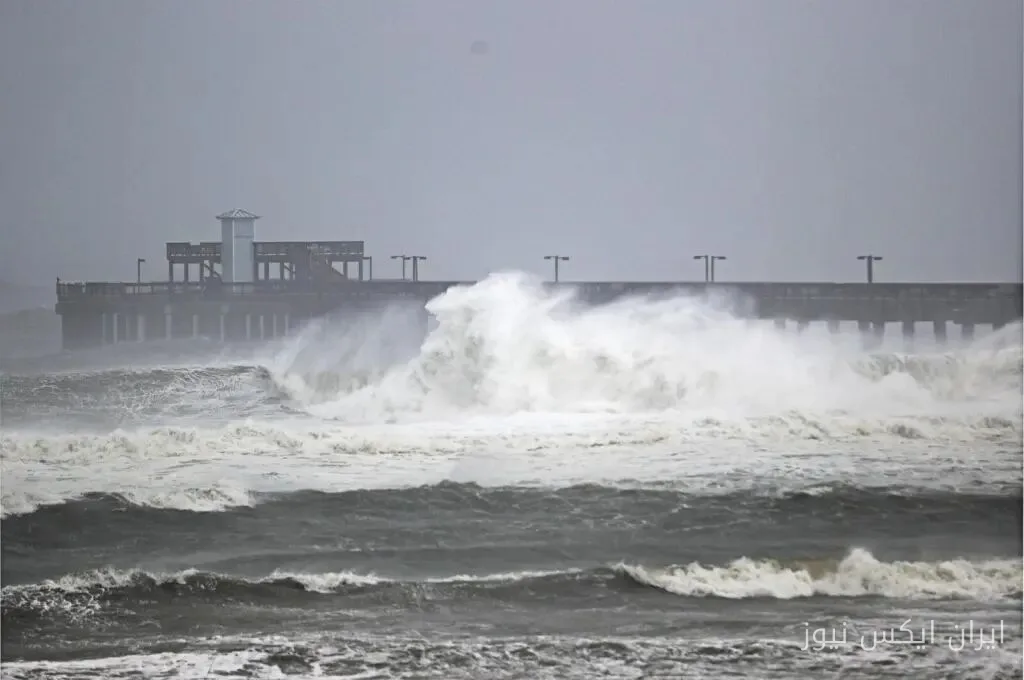
Bandar Abbas - The El Niño drill was conducted to evaluate and measure the readiness of forces, equipment, and operational units against adverse weather conditions in the ports of western Hormozgan province. This drill, carried out as a preventive measure against the negative impacts of climate change and potential storms, provided a suitable opportunity to examine capabilities and prepare various institutions.
A Real Test for Operational Forces
In this drill, specialized forces from various organizations, including the Red Crescent, Coast Guard, and other relevant agencies, participated and simulated critical conditions to examine different scenarios. The main goal of this drill is to enhance coordination among various agencies and assess the existing equipment to cope with natural crises and harsh weather conditions.
The organizers of this drill believe that by increasing awareness and capability in facing storms and other natural disasters, human and financial losses can be minimized. This drill is viewed not only as a practical exercise but also as a serious message to the local community and government officials regarding the importance of preparedness against crises.
Challenges Ahead
Given the severe climate changes and the prevalence of natural phenomena such as El Niño, drills like this are considered a necessity for reducing the vulnerability of society. Studies have shown that the preparedness of institutions against natural storms can significantly reduce the extent of damages and save lives. For this reason, the regular conduct of such drills has become a fundamental need.
Ultimately, the holding of the El Niño drill in the ports of western Hormozgan is an important step towards strengthening infrastructure and preparing institutions to face natural crises, and it is hoped that this process will continue and help elevate the level of community preparedness.