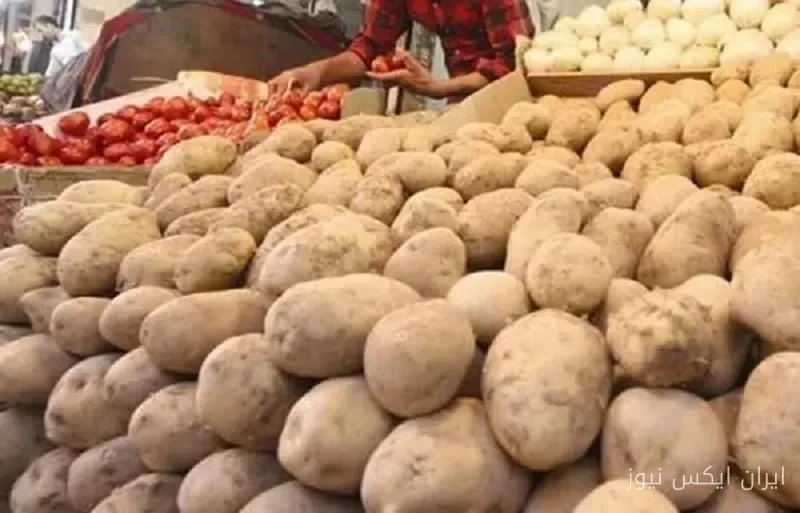
The Trade Development Manager of the Agricultural Jihad Organization of Fars province announced a controversial ban on the export of three essential agricultural products, namely potatoes, onions, and tomatoes, until the end of the current year. This decision was made to meet the needs of the domestic market and manage the supply of these products.
Meeting Domestic Market Needs
Given the recent fluctuations in the prices of these products and public dissatisfaction with the sudden price increases, this ban is seen as a response to the existing concerns in the market. The manager of this organization emphasized that the goal of implementing this resolution is to prevent disruption in meeting consumer needs and to maintain price stability in the market.
Possible Consequences
Although this decision may help reduce prices in the domestic market, questions have also been raised regarding its consequences. Some believe that this action may lead to a decrease in farmers' motivation to produce these products, and consequently, we may face a shortage of these products in the near future. Additionally, economic analysts believe that export restrictions could negatively impact Iran's trade relations with neighboring countries.
In the meantime, farmers and producers must adapt to the new conditions and think of new strategies for marketing and selling their products. In a situation where global markets are heavily influenced by climate changes and economic crises, this decision could become one of the serious challenges for agriculture in Fars province.