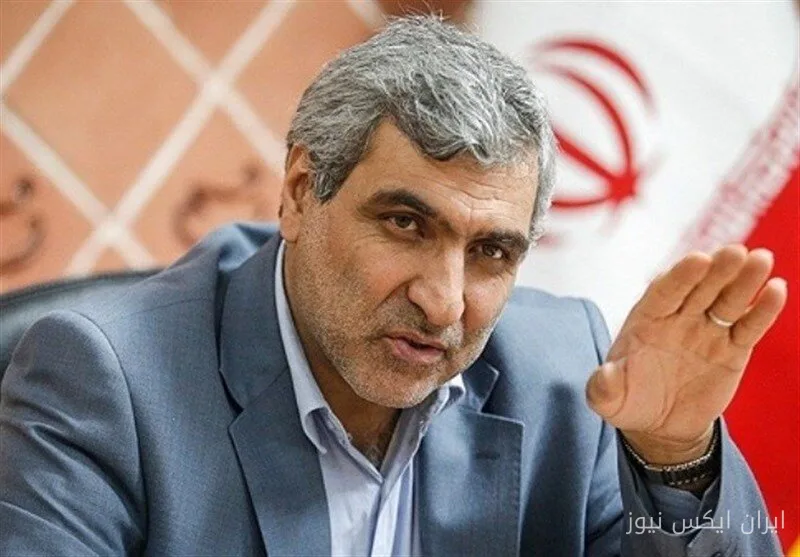
In a controversial analysis, Hadi Qavami, a member of the Planning and Budget Commission of the Islamic Consultative Assembly, examined the impact of sanctions and economic policies on the state of inflation and subsidies in the country. He pointed out that the 45,000 Toman subsidy approved in 2010 has lost its real value, stating: "At that time, this amount seemed appropriate, but over the years and with the depreciation of the national currency, it can no longer be considered an effective subsidy."
Spending Policies and Weakness in Production
Qavami believes that in recent years, economic policies have focused more on expenditures while production and exports in the country have weakened. He clarified: "The story is the same now. We are focusing more on spending policies, while spending creates costs. It is production that creates jobs and helps reduce unemployment and inflation."
This member of parliament also referred to the impact of sanctions on the country's economy, saying: "Sanctions, as an external factor, have put a lot of pressure on the economy, but the main issue is that we need to seek internal solutions to get through this crisis." He emphasized that current policies, especially regarding subsidies, not only do not lead to economic improvement but rather exacerbate the crisis.
Challenges Facing Subsidies
Qavami criticized new subsidy payment plans, saying: "With this inflation, can we provide one million or two million Toman in vouchers? Is this amount acceptable in the face of rising prices and inflation?" These statements reflect serious dissatisfaction with the current economic situation of the country and the fundamental challenges that people are facing.
He also stressed the need to change the approach in economic policies, adding: "We must move towards strengthening domestic production and instead of trying to distribute insufficient subsidies, we should focus on increasing production and employment." Qavami's words clearly illustrate the crisis that the country's economy is grappling with and highlight the urgent need for fundamental and effective changes.