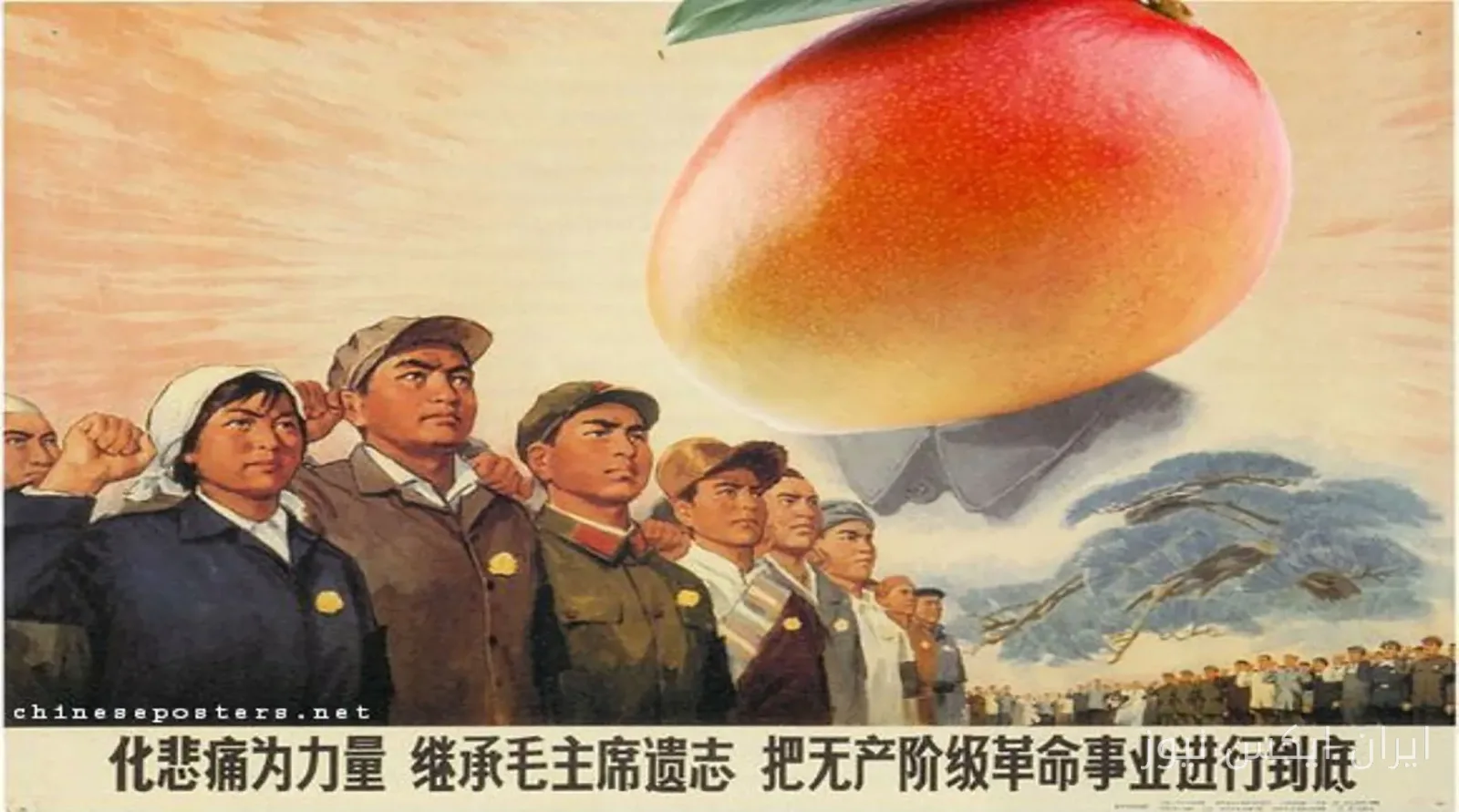
The mango, a delicious and colorful fruit, has recently become a symbol of China's Cultural Revolution. This change in perception of the mango has an interesting and significant story that relates to China's policies and ideologies.
Cultural Revolution and New Symbols
The Cultural Revolution in China, which began in the 1960s under the leadership of Mao Zedong, aimed to change the social and cultural structure of China. In this context, the mango was introduced as a symbol of these changes. Many analysts believe that this fruit not only represents social changes but also has a connection to China's history and culture.
The mango, as a fruit that grows in warm climates, especially in southern China, has become a representation of the vitality and resilience of the people in these regions. Given China's deep cultural history, this fruit has now transcended being a simple food item and has become a tool for expressing national identity.
Politics and the Fruit That Changed History
During the Cultural Revolution, China's leaders sought to add new elements to the national culture. The mango, as a national fruit, entered Chinese literature and art and was particularly depicted in artistic and propaganda works. This fruit has come to represent vitality and innovation in Chinese society.
This change in attitude towards the mango reflects China's efforts to redefine its national and cultural identity in the modern world. Now, the mango has become a symbol of the resilience and strength of the Chinese people and has manifested as a cultural element in the social and political scenes of the country.
Ultimately, it can be said that the mango is not just a fruit. This fruit has become a symbol of a significant change and transformation in China's history, a transformation that illustrates the power of culture and politics in shaping national identity.