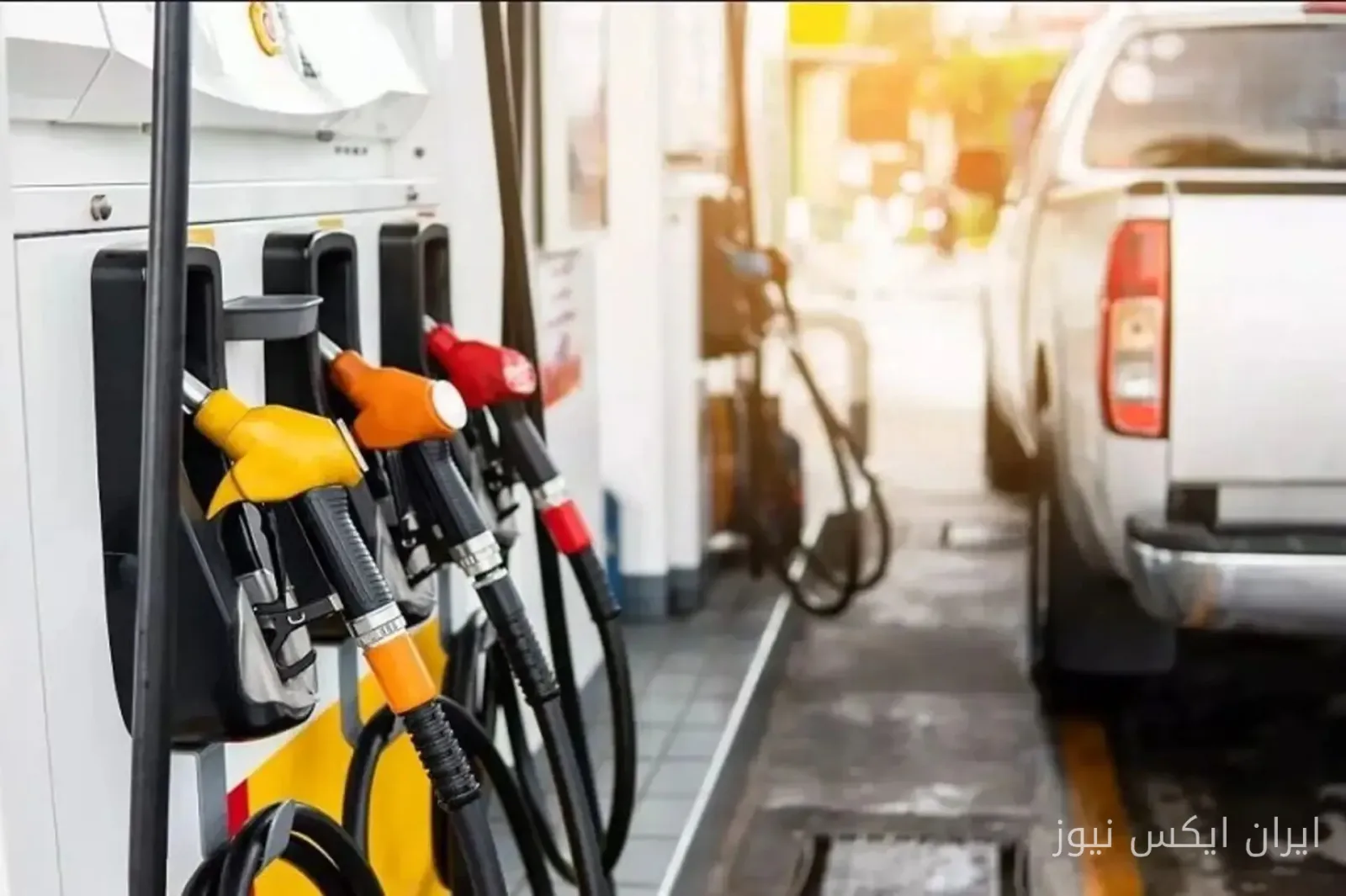
The increase in gasoline prices to 10,000 tomans, which was approved last week, has so far had specific impacts on the consumption patterns of the people and drivers. Despite expectations that gasoline consumption would decrease with this price increase, evidence suggests that gasoline consumption has remained at previous levels.
Continuing Gasoline Consumption
Studies indicate that despite the price increase, people continue to use personal vehicles and gasoline. In the fuel station market, there has been an increase in the tendency to fill up car tanks, and drivers continue their travels. This suggests that some people have adapted to this price change in the short term and have somewhat overlooked it.
Change in Consumption Patterns
However, new behaviors are also being observed among some consumers. Some drivers are seeking solutions to optimize their fuel consumption. The use of public transportation and carpooling among certain segments of society seems to be on the rise. These changes could gradually lead to a reduction in gasoline consumption, but it appears that this process requires time.
Economic analysts believe that these changes may gradually become apparent over time, and in fact, people will gradually adapt to the new conditions. Additionally, it is expected that with rising prices, the government will consider new support programs to alleviate pressure on vulnerable segments of society.
Ultimately, it remains to be seen whether these changes in consumption patterns will lead to a real reduction in costs and gasoline consumption. In any case, the behavior of people and drivers in the coming days may reflect various reactions to this price increase.