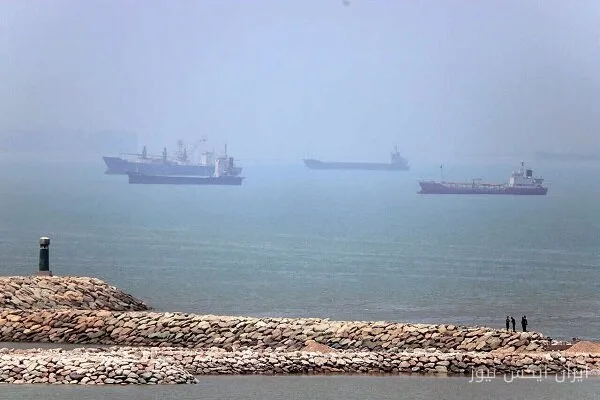
Ship traffic in the Strait of Hormuz has decreased due to ongoing tensions in the region. The Strait of Hormuz, as one of the most important maritime routes in the world, plays a vital role in global trade and energy supply. The decrease in ship traffic could have serious consequences for global oil markets and energy security.
Reasons for the Decrease in Ship Traffic
Several factors have contributed to the decrease in ship traffic in the Strait of Hormuz. Political and military tensions in the region, especially in recent years, have raised concerns about maritime security. These concerns have led shipping companies to seek alternative routes or even refrain from traveling to this area.
Read more: Closure of 40 percent of social businesses in Iran
Economic Consequences
The decrease in ship traffic in the Strait of Hormuz could have significant economic impacts on the oil and gas industry. Given that about one-third of the world's crude oil passes through this strait, any disruption in traffic could lead to rising oil prices and volatility in global markets. Furthermore, this situation could create economic problems for the countries bordering this strait that rely on maritime trade.
On the other hand, the decrease in ship traffic may lead to increased attention to maritime security issues and encourage regional countries to cooperate more in this area. Such cooperation could include increased maritime patrols and the establishment of security agreements that help maintain maritime security in this sensitive region.
Conclusion
The Strait of Hormuz, as an important economic and strategic hub, has always been in the global spotlight. Given the decrease in ship traffic due to ongoing tensions, attention to security and stability in this region seems more necessary than ever. Decisions made in this regard could have profound impacts on global markets and energy security in the future.
Read more: Fuel prices reached $9.99 in San Diego! · Response of the National Oil Products Distribution Company to the removal of gasoline quotas for new vehicles