In a world filled with geopolitical tensions, the recent memorandum between Iran and Oman was achieved as an important diplomatic move in early September. It seems that this agreement will soon be officially announced following extensive discussions between the two countries.
An Unexpected Agreement
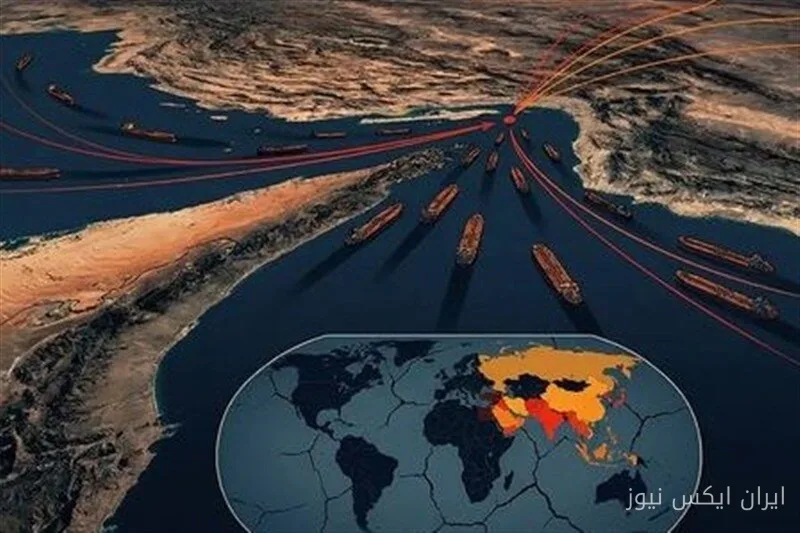
However, the key point that exists in this context and could lead to significant controversies is that this agreement does not mean the opening of the Strait of Hormuz at all. In other words, while the two countries are seeking to establish closer relations and more cooperation, there are still issues that prevent the opening of this strategic gateway.
According to informed sources, this understanding includes 7 fundamental conditions that have been communicated to the U.S. government. These conditions could influence the course of international negotiations as well as the economic situation in the region. Given the uncertainty surrounding the status of the Strait of Hormuz, this agreement may somewhat reflect Iran's efforts to maintain its interests while establishing constructive communication with its neighbors.
Various Dimensions of the Agreement
The Iran-Oman agreement actually represents a new strategy in Iran's foreign policy. In light of sanctions and international pressures, Tehran is seeking to establish closer relations with neighboring countries to improve its economic and political situation. This action can also be seen as a diplomatic maneuver aimed at reducing tensions in the region.
In this context, Oman is recognized as a mediator and can play an important role in facilitating discussions and negotiations between Iran and other Western countries. This could contribute to stability in the region and improve Iran's international relations.
Economic Consequences
On the other hand, this agreement could also have significant economic implications. Considering that the Strait of Hormuz is one of the most important oil transport routes in the world, any changes in its status could have substantial effects on the global oil market. Therefore, the continued closure of this strait may mean maintaining high oil prices and consequently pressure on oil-dependent economies.
Overall, while the Iran-Oman agreement can be seen as a positive step towards improving regional relations, it still faces serious challenges. This agreement reflects the complexities of international policies and bilateral relations that must be carefully examined.