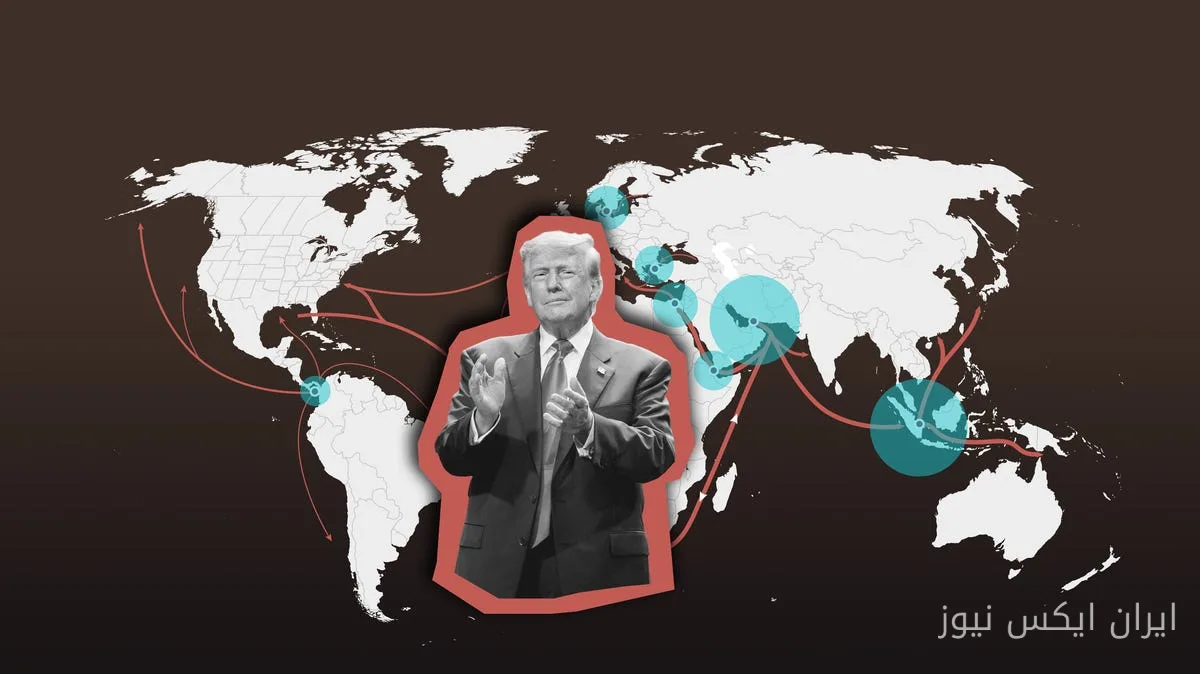
In a controversial move, Iran and the Houthis have effectively blocked two key maritime strategies, which could have severe repercussions for the global economy. These routes, known as critical chokepoints for maritime transport, are currently under pressure, and this situation could lead to rising oil prices and disruptions in international trade.
Why is this blockage important?
The maritime routes blocked by Iran and the Houthis are particularly vital for the transportation of oil and essential goods from the Persian Gulf to global markets. Given that these areas are traditionally used for shipping oil and commercial cargo, any disruption in these routes could have significant impacts on global oil prices as well as on the supply chain of goods.
Economic analysts believe that the closure of these routes may lead to price increases in global markets, while many countries are still in the process of economic recovery after previous crises. In this situation, countries dependent on oil and essential goods imports are at risk and may face serious challenges.
Economic Consequences
If these blockages continue, oil-producing countries may seek new ways to ship their cargo, which could lead to changes in international trade patterns. Additionally, this situation could escalate tensions in the region and even beyond, on a global scale.
While diplomatic efforts to resolve this crisis may continue, the reality is that the economic impacts of this situation will soon become apparent, and the involved countries must prepare to face the upcoming challenges. It seems that in the near future, these blockages could become one of the main topics of international discussions and affect global diplomacy.