Nada Mouwad, the Ambassador of Lebanon, and Yahya Eliter, the Ambassador of Israel, met on Tuesday evening at the U.S. State Department in Washington to discuss the latest developments in Lebanon and the implementation process of the "Framework Agreement."
New negotiations postponed to October
This meeting occurred under circumstances where a new round of negotiations between Lebanon and the Israeli regime, which was supposed to be held this week in Rome, has been postponed to October. A Lebanese official had previously announced that this meeting would review the developments in Lebanon and the mechanism for implementing the "Framework Agreement"; an agreement that was reached last June with U.S. mediation between Beirut and Tel Aviv.
Read more: Drone and missile attacks from Yemen on Saudi Arabia left 13 injured
Lebanon's emphasis on Israel's withdrawal and reconstruction
Joseph Aoun, the President of Lebanon, announced last Saturday that under the current circumstances, "no new negotiations with Israel" will take place, and that the withdrawal of Israeli forces from Lebanese territory, the return of prisoners and refugees, and the reconstruction of damaged areas are among the fixed principles of his country. Nawaf Salam, the Prime Minister of Lebanon, has also emphasized that the authority to negotiate on behalf of Lebanon is solely in the hands of the government of this country, and direct negotiations with Israel are "not easy."
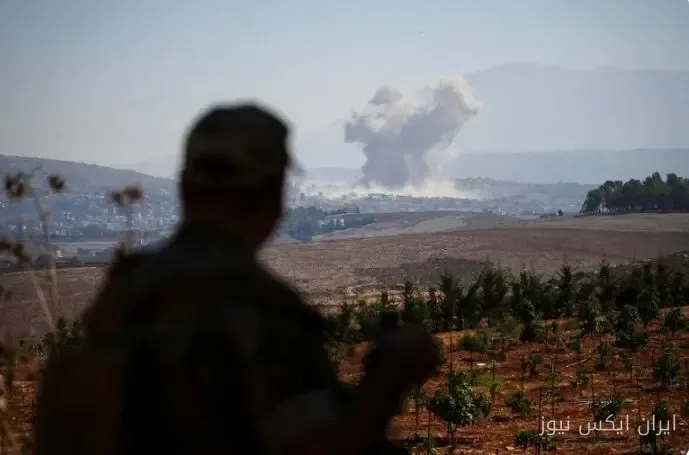
On June 26, Beirut and Tel Aviv signed the "Framework Agreement" in Washington with U.S. mediation. According to this framework, Israeli forces must gradually withdraw from Lebanese territory, and the Lebanese army will be deployed in the evacuated areas. Despite this agreement, Israel continues its attacks in southern Lebanon and has retained parts of this region under its occupation.
U.S. Ambassador's visit to southern Lebanon
Meanwhile, Michelle Issa, the U.S. Ambassador in Beirut, traveled to southern Lebanon on Tuesday to closely examine the situation in the areas known as "experimental zones," the progress made, and the existing challenges there. The U.S. Embassy in Beirut has stated that Washington is committed to supporting the government and army of Lebanon to strengthen state sovereignty, protect civilians, and create the necessary conditions for achieving lasting peace and stability.
During this visit, Issa stated that being in southern Lebanon was an opportunity to directly observe the challenges faced by local communities. He also referred to the displacement and uncertain conditions of the residents in the area and emphasized their desire to return to their homes and rebuild their lives in safety and dignity.
The official Lebanese news agency reported that the U.S. Ambassador visited the town of "Zoutr El Gharbiyeh" and the newly constructed crossing in the town of "Qaqa' El Jisr." This visit was conducted under strict security measures and is considered the first visit by a U.S. ambassador to this region since the Lebanon War in 2006.
Read more: Implementation of welfare projects in South Khorasan with the participation of benefactors · Israeli attacks on Nabatieh: Violation of the ceasefire in southern Lebanon