The Ministry of Energy has gone on alert with a 'worst-case scenario' approach to manage potential floods resulting from the El Niño phenomenon. The Deputy Minister of Energy emphasized the necessity of preparedness for various scenarios, reporting continuous monitoring of weather warnings and increased readiness to manage floods.
Preparedness for Various Scenarios
The Deputy Minister of Water and Wastewater of the Ministry of Energy stated during a workshop program on links, forecasting systems, and warnings regarding the El Niño phenomenon: "Overall, the Ministry of Energy has commitments based on existing principles and regulations to create upcoming conditions, and we must certainly pay attention to them."
Read more: Research from the University of Bologna: Hard Surfaces as Heat Factors in Cities
He added: "The warnings issued timely by the Meteorological Organization have alerted the relevant agencies considered under crisis management in the country." Correspondence has also been conducted in this regard, and the Crisis Management Organization and the Ministry of Energy have issued warnings that have been communicated to the governors.
Inter-Agency Coordination and Public Awareness
Janbaz, the Deputy Minister of Energy, referred to the necessity of inter-agency coordination, stating: "Our work is inter-agency coordination; we must coordinate with the Ministry of Agriculture and the Ministry of Roads and Urban Development." He also emphasized the importance of public awareness and cooperation from public relations offices, urging provincial managers to undertake joint actions considering the conditions.
He further stressed: "I advise my people to act with vigilance regarding the upcoming conditions in the provinces. The Meteorological Organization has become much more accurate than in the past and must define a strategic role."
Janbaz added: "We must proceed based on the worst-case scenario and consider increasing the capacity for water regulation and drainage from pathways to manage potential floods." He also referred to identifying high-risk areas in rivers and removing blockages, emphasizing that crisis managers must follow this issue with sensitivity.
Opportunities and Challenges Ahead
Janbaz emphasized that the upcoming conditions should be viewed as an opportunity, saying: "Considering the warnings issued by the Meteorological Organization, a significant amount of rainfall will occur in areas where we have large dams in the main Zagros region."
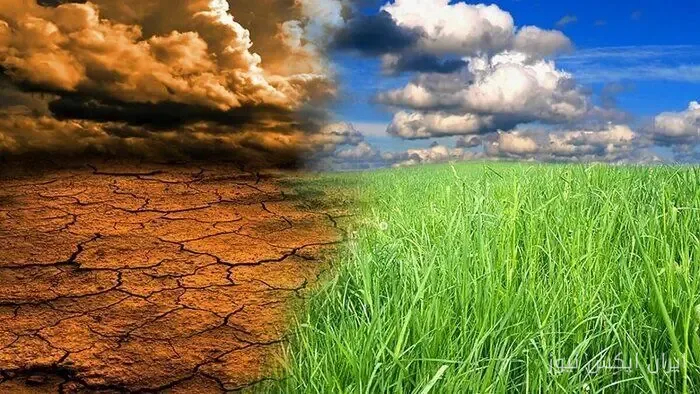
He added: "This is a very good opportunity for filling the dams and utilizing it for downstream consumption, drinking water, and agriculture." He also emphasized that "El Niño does not mean the end of droughts in the country, and we must definitely move towards proper management and make accurate predictions for future floods."
Analysis of Climate Changes
During this event, Davood Kamgar, CEO of Iran Water and Power Resources Development Company, stated that climate changes are one of the most significant factors affecting the future of the country's water resources, saying: "Today we have gathered in this specialized forum to examine one of the phenomena affecting the future of the country's water resources."
Kamgar added: "The Iran Water and Power Resources Development Company, as the executive arm and main authority for development and utilization, seeks to elevate the paradigm of dam reservoir management from a purely structural approach to a predictive and data-driven approach." He also emphasized the importance of synergy among strategic institutions such as the National Meteorological Organization.
Read more: Identification of 370 Flood-Prone Hazard Points in Chaharmahal and Bakhtiari · Deadly Fire in Mahoor Milati Forests: Eight-Day Effort to Save Nature