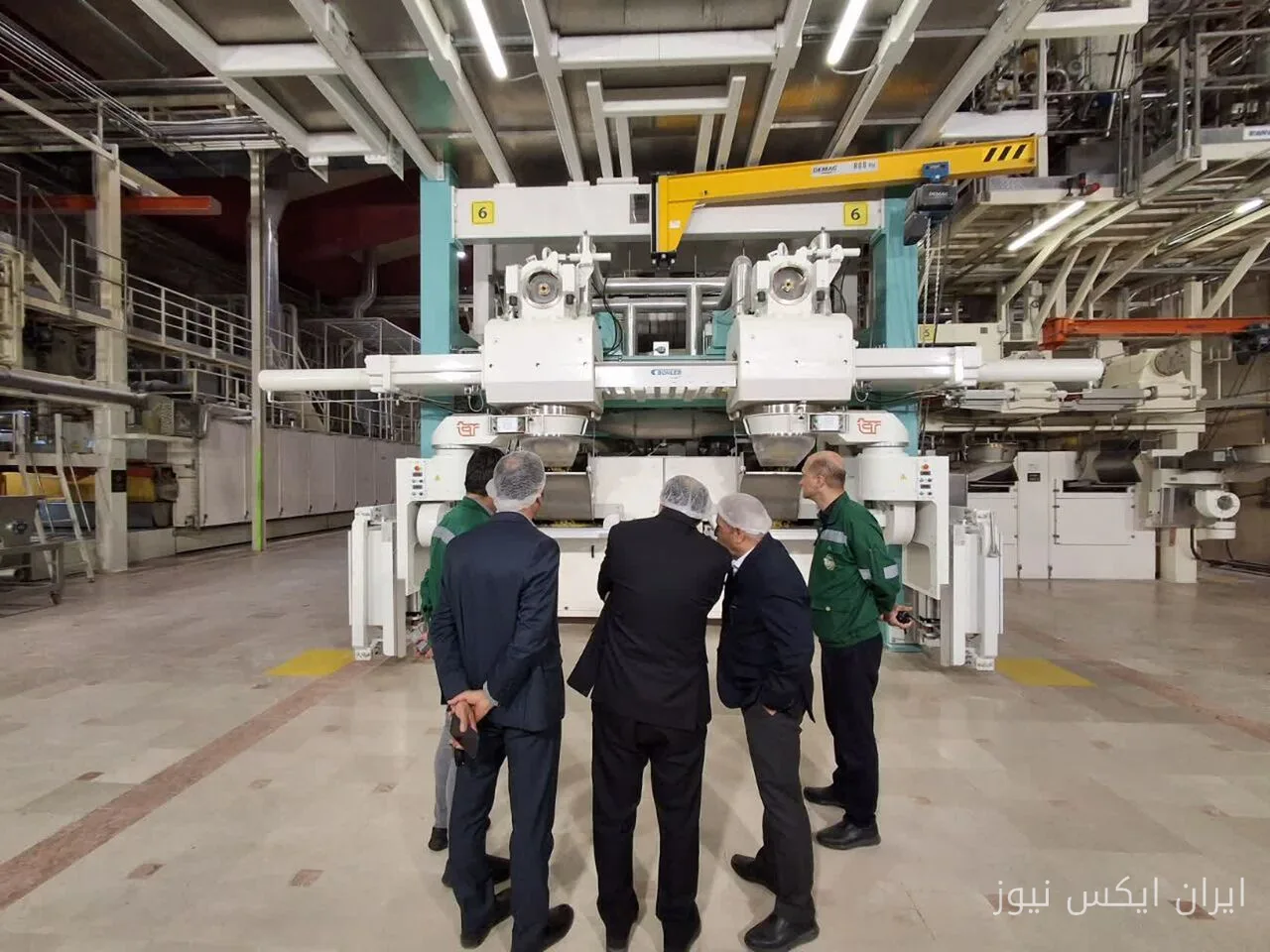
In a significant move, 34 trillion tomans in loans have been paid to production units in Alborz province. This news has quickly spread among economic activists and the media, raising many questions about the future of Iran's industry. Can this credit lead to real economic growth, or is it merely a temporary solution to hide structural problems?
Transformation in Industry or Continued Recession?
The loans granted to production units in Alborz come at a time when many industries in the country are experiencing a deep financial and economic crisis. Some experts view this action as a positive step and believe it could lead to job creation and increased production. On the other hand, there are concerns that these loans may be spent on current and unsustainable costs instead of helping production.
Challenges Facing Production Units
Despite the payment of these loans, the main problems that production units face remain unresolved. Shortages of raw materials, price fluctuations, and international sanctions are all factors that could hinder the optimal use of this credit. For this reason, some economic activists are not optimistic about the real impact of these loans on production and job creation.
According to some sources, these payments should be accompanied by supportive and advisory programs to genuinely help improve the situation of production units. Otherwise, there is a possibility that this action is merely a shot in the dark.
In the end, it remains to be seen whether these 34 trillion tomans in loans can serve as a turning point in Alborz's industry or if it will just be another empty promise among baseless pledges. The near future will provide the answer to this question.