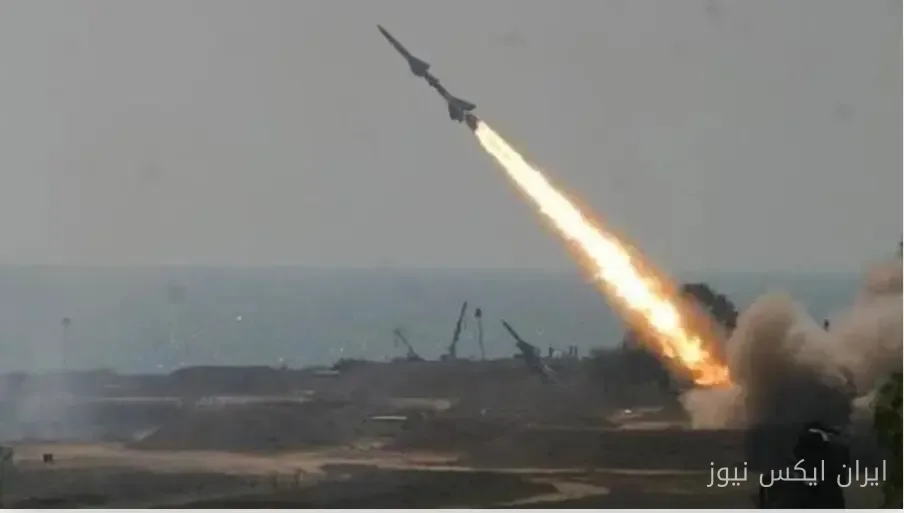
The Muscat regional meeting, which was scheduled to take place soon, has been postponed due to recent attacks on Saudi Arabia's oil pipelines. This decision was made following increased tensions in the region and concerns about the security situation.
Details of the Attacks on Saudi Oil Pipelines
The attacks on Saudi Arabia's oil pipelines have raised serious concerns at the international level. These attacks, which appear to have been aimed at disrupting the country's oil exports, will have negative impacts on the oil market and Saudi exports. Experts believe that these actions could affect global energy security.
Read more: The Red Crescent's Blue Peace Plan in Semnan has been implemented in the villages of Biyargomand
Pashakian's Response to Questions About Direct Dialogue with the U.S.
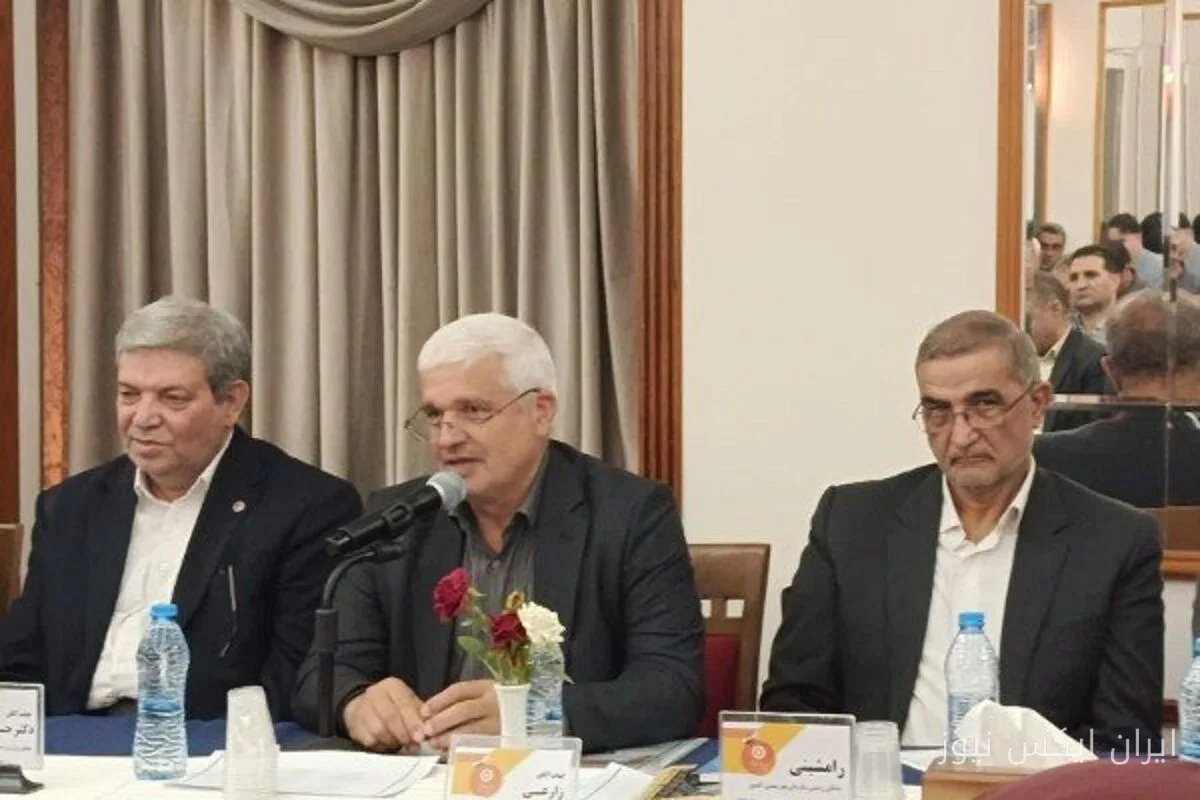
In this context, Mohammad Reza Pashakian, a member of the Islamic Consultative Assembly, responded to questions regarding the possibility of direct dialogue with the United States. He emphasized that relations with the U.S. must be managed carefully and with regard to Iran's national interests. Pashakian also highlighted the importance of diplomacy in resolving international issues, stating: "In the current situation, we must seek appropriate and diplomatic solutions to safeguard the country's interests."
These developments reflect the political and security complexities of the Middle East, and holding international meetings like the Muscat meeting can serve as a tool for reducing tensions and achieving effective agreements. Representatives from various countries at this meeting will examine the security and economic situation in the region and will strive to find more avenues for cooperation.
Consequences of the Postponement of the Muscat Meeting
The postponement of the Muscat meeting could have significant consequences for regional and global diplomacy. This decision is expected to lead to increased tensions among regional countries while simultaneously reducing diplomatic opportunities to resolve critical issues. In this context, neighboring countries and major global powers must pay special attention to regional developments and avoid any provocative actions.
Read more: East Azerbaijan Deputy Governor: The Education Council should utilize the capacities of the agencies · Serious damage to Saudi oil pipeline: Pumping station destroyed