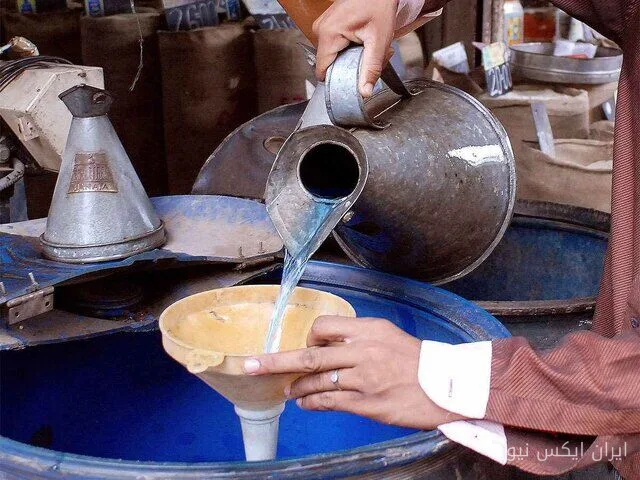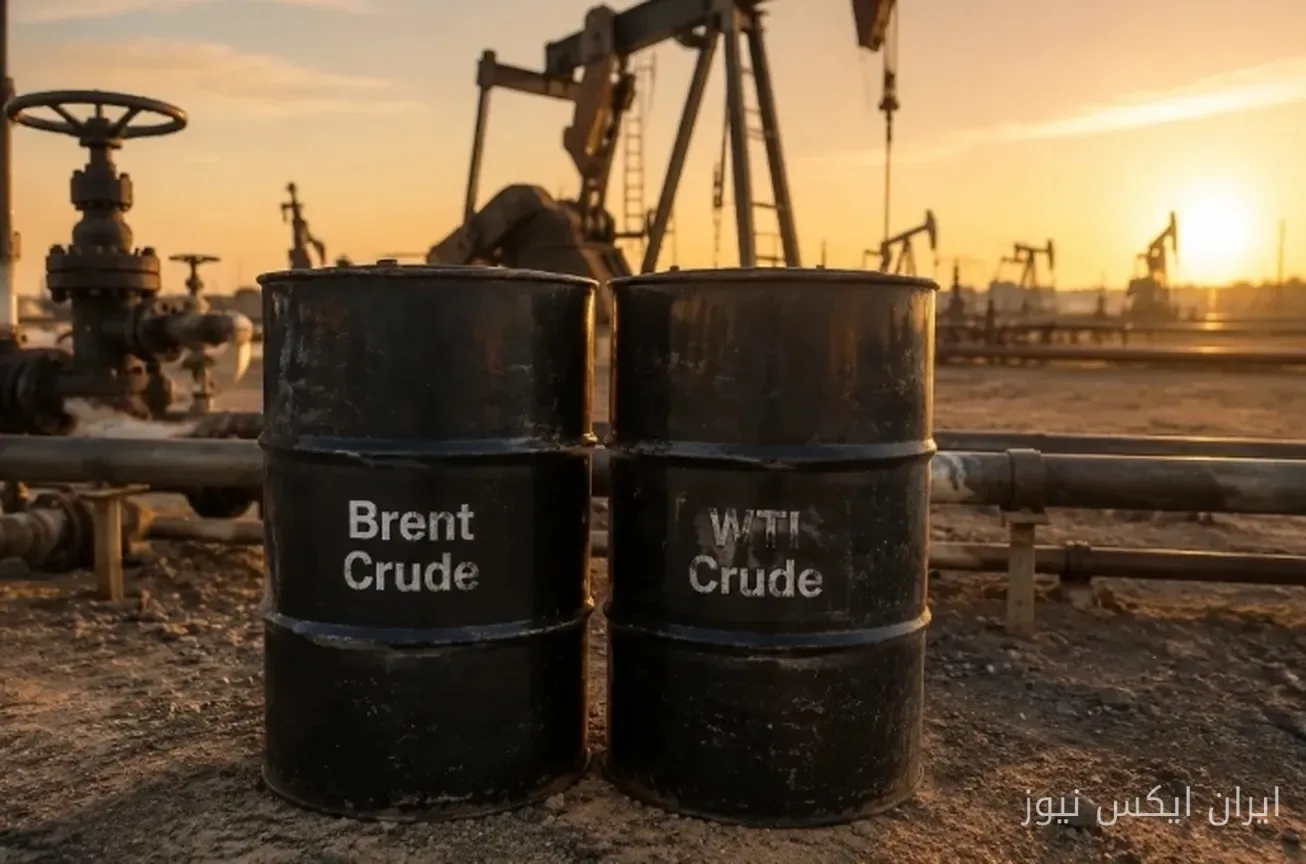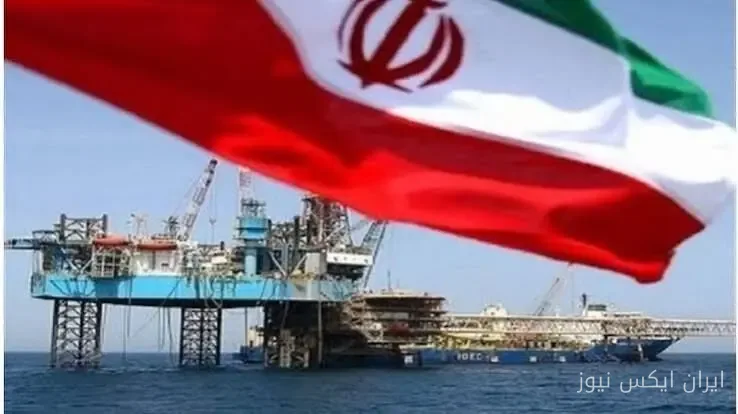
Seyed Hossein Mirafzalizadeh, an energy expert, announced that Iran's crude oil export capacity is about 1.5 to 1.8 million barrels per day, but due to sanctions, this capacity is not fully usable, and the average crude oil export from Iran over the past eight years has been about 800,000 barrels per day.
Changes in Global Oil Demand
Mirafzalizadeh further added that about 80 percent of the world's produced oil is converted into gasoline and diesel and is consumed as fuel for vehicles. With the rapid trend of electrification of vehicles and the development of public transportation, the demand for gasoline and diesel will significantly decrease, and it is expected that in the next 20 years, oil prices will experience a downward trend.
Read more: Chamran: The threat of bombing Tehran's oil during the war was forgotten
This energy expert emphasized that the current crises, including the Ukraine war and tensions with Iran, are merely artificial respiration for the oil market and will ultimately lead to a decrease in demand and oil prices. According to him, oil-importing countries, such as China and Japan, are moving towards the use of coal and renewable energies.
Suggestions for Improving Iran's Oil Situation
Mirafzalizadeh, referring to the problems of selling Iran's oil in the future, emphasized the necessity of replacing exported crude oil domestically and suggested that Iran should focus on exporting electricity and gas to neighboring countries like Turkey, Iraq, Pakistan, and Afghanistan. He also pointed out that China is considered an unstable market for oil exports and will soon reduce its oil imports.
This expert also referred to the capacity of Iran's power plants and added that with investment in technical reforms, the entire exported oil of the country could be consumed domestically. For example, Iran has 15 gigawatts of steam power plants that can consume one million barrels of crude oil per day.
Mirafzalizadeh stated that the exportable cost of each liter of Iran's crude oil is about 45 cents and announced that if Iran does not consume crude oil, it will soon face a decrease in its economic value. He suggested that Iran could use crude oil as an alternative fuel for power plants and various industries through technical reforms in industrial units.
Read more: Ghalibaf and the controversial reaction to Bloomberg's oil report · Postponement of the Hormuz Strait meeting; Oman at the center of the crisis