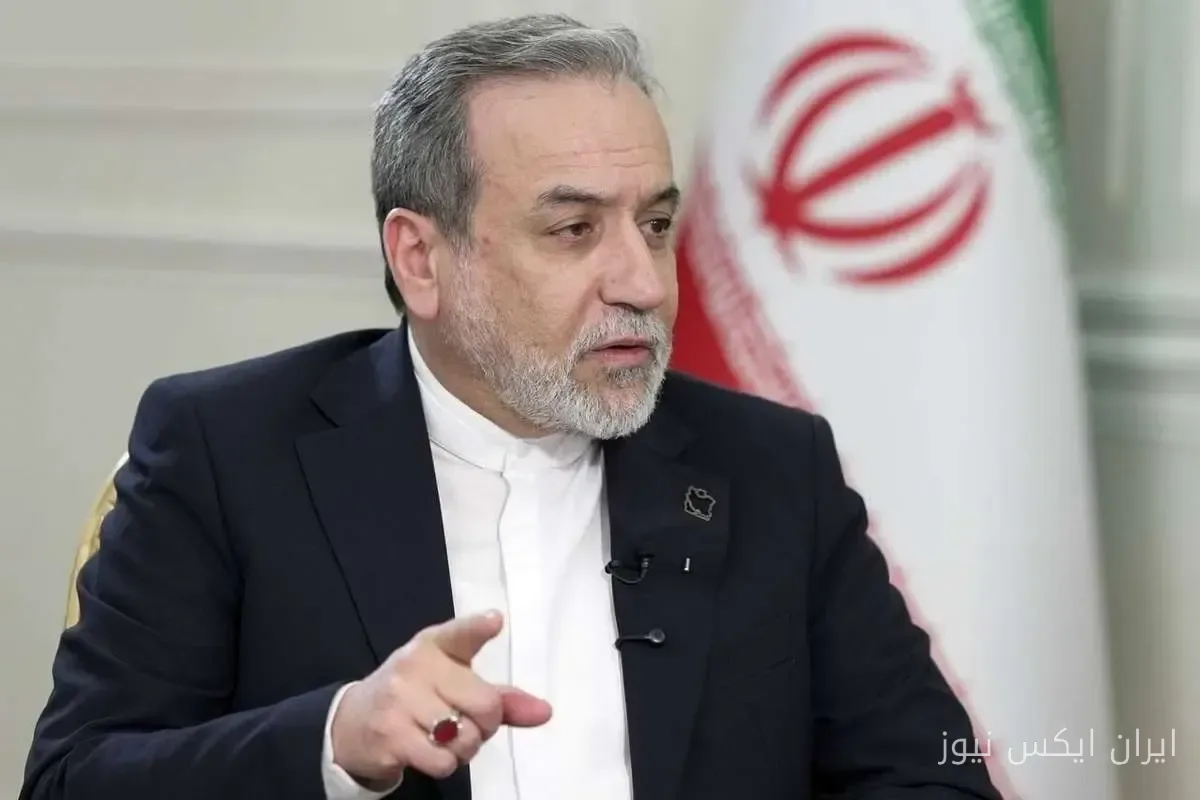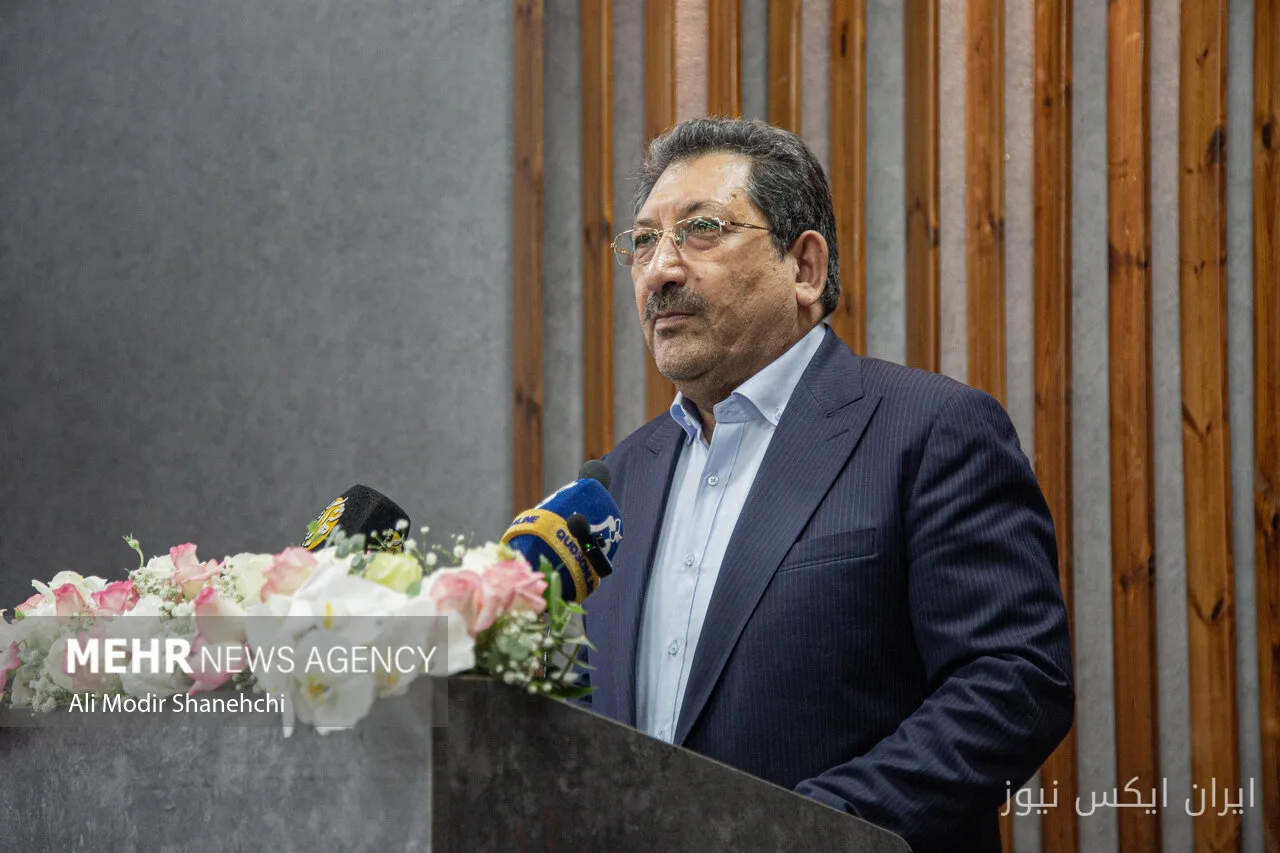
Seyed Mohammad Atabak stated in a meeting with economic activists in Khorasan Razavi province: Statistics show that the amount of currency used for industries each year has decreased by about 20 to 30 percent, which means that the possibility of securing currency for the country has become more difficult. Therefore, stating that we have no currency restrictions contradicts the existing reality, and we must prioritize production units for receiving currency.
Prioritizing Currency Provision
The Minister of Industry, Mine and Trade added: The first priority in currency provision should be dedicated to raw materials for production so that factories suffer less damage, and after that, the modernization and reconstruction of machinery should be prioritized. We consider production a central and cross-sectional issue, and in decision-making, the amount of need, added value, and employment share of each sector should be taken into account so that currency restrictions have the least impact on production.
Read more: The flour quota for free-baking bakeries has been set at 300 bags per month
Economic Capacities of Khorasan Razavi
He pointed out the economic capacities of Khorasan Razavi, stating: This province has high advantages, especially in the food industry, and about 21 percent of the province's added value is related to industry, ranking fifth in the country in terms of industrial added value. The province's economic participation is also about 43.9 to 44 percent, while the national average is reported to be around 40 percent.
Atabak continued regarding currency policies and the return of export earnings: The Ministry of Industry, Mine and Trade has pursued the issue of returning export earnings in multiple meetings with the Central Bank, the Judiciary, and various agencies, and many of the related lists have significantly decreased. The use of export earnings from non-deposit sources, which was not possible last year, has now become feasible through the efforts of the Ministry of Industry, Mine and Trade.
Delegation of Powers and Facilities
The Minister of Industry, Mine and Trade regarding the delegation of authority in the mining sector said: All delegations of authority in this area have been granted to Khorasan Razavi, and only Article 20 has been excluded from this delegation due to an objection from the Government's Legal Deputy. In the matter of securing ANFO, agreements have been reached after four meetings with the Minister of Defense and Armed Forces Logistics, and a significant portion of ANFO is being secured; imports are also active, and the nitrate factory, which was promised to be launched in October, will likely be launched with a slight delay.
He added regarding the 700 trillion IRR facilities approved for small and medium enterprises: These facilities were approved in December 2025, and their regulations were drafted by the Ministry of Industry, Mine and Trade and were communicated after going through the relevant processes. Follow-ups showed that 700 trillion IRR has been disbursed, but most banks, to reduce risk, have allocated resources to large enterprises, which has been protested by the Ministry of Industry, Mine and Trade.
Atabak said: To compensate for this issue, it has been decided that another 300 trillion IRR will be allocated to small and medium enterprises that the Ministry of Industry, Mine and Trade introduces. A list of enterprises that have received these facilities will also be provided to the province to determine how much of these resources have been allocated to Khorasan Razavi.
The Minister of Industry, Mine and Trade regarding electricity restrictions for industries stated: At the beginning of the year, a specific prioritization for reducing electricity consumption in industries was carried out, and a protocol was drawn up with the Ministry of Energy, according to which 2,000 megawatts were to be deducted from industrial consumption, but this protocol was not acted upon, and the actual reduction in some cases even reached 8 to 10 thousand megawatts. This issue, especially in provinces where energy-intensive industries are located, should be taken into consideration.
Read more: Director General of the Ministry of Cooperatives: Labor organizations must become decision-makers · Qom is on the path to expedite investment license issuance: less than a week!