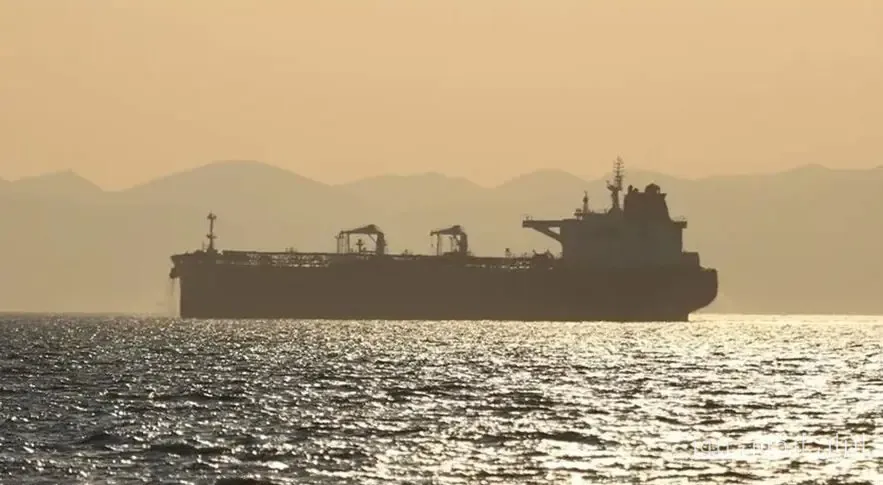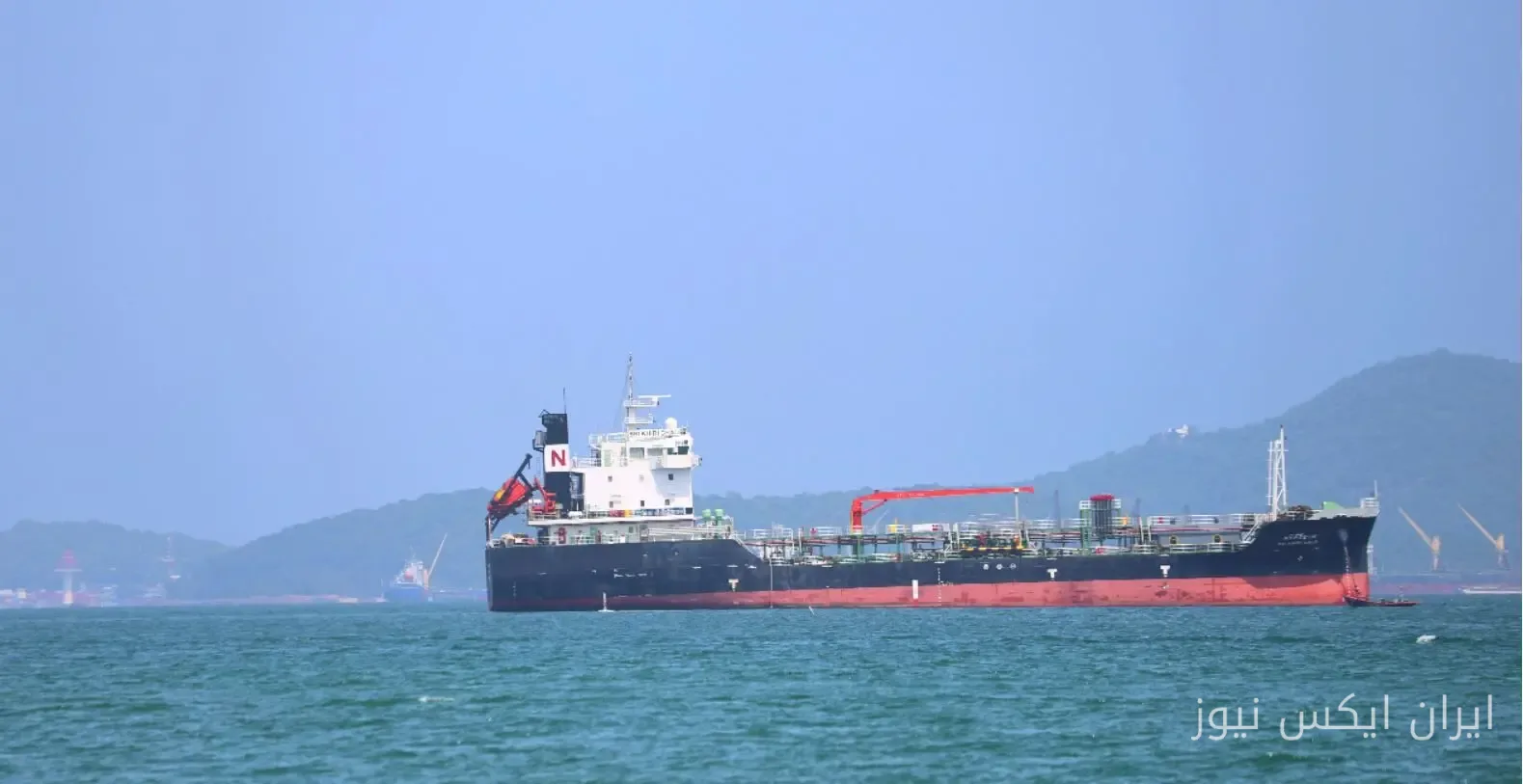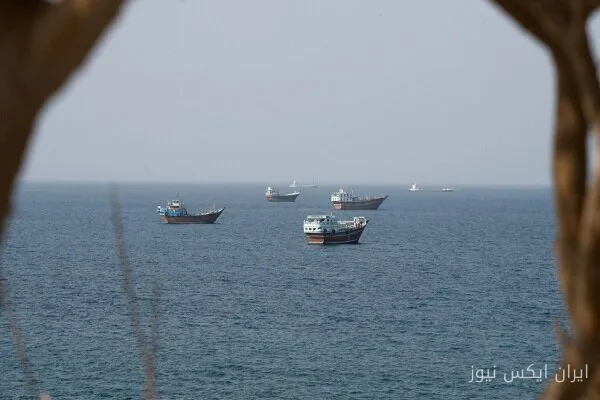
Ship and tanker traffic in the Strait of Hormuz has reached its lowest level in recent weeks. This decrease in traffic has occurred due to military tensions and various factors affecting maritime security.
Decrease in ship traffic
According to maritime information, ship traffic in the Strait of Hormuz at the beginning of this week has decreased to less than the average of the past 10 days, which is 14 ships. This indicates that the maritime situation in this region is severely affected by political and military tensions.
Read more: Fatal incident in the Fajr Energy project; Hossein Alboqbish lost his life
Iran's position on maritime security
Our Foreign Minister recently stated that the understanding between Iran and Oman does not mean the reopening of the Strait of Hormuz, and this issue depends on the return of the U.S. to its commitments. He emphasized that Iran's condition for reopening the Strait of Hormuz is the return of the U.S. to its commitments in previous agreements.
The Islamic Republic of Iran considers itself committed to efforts to ensure maritime security in the Strait of Hormuz, but has identified U.S. aggressive actions and illegal interventions, including maritime blockade and economic warfare, as the main factors for the lack of maritime security in this region.
In this situation, the decrease in ship traffic in the Strait of Hormuz could have serious repercussions for the oil market and the global economy. Given that the Strait of Hormuz is one of the most important routes for tankers, any disruption in traffic in this area could impact oil prices and energy security globally.
Read more: Saudi Arabia on the brink of an oil crisis: Red Sea pipeline at risk! · Warning siren sounded in Najran, Abha, and Jazan