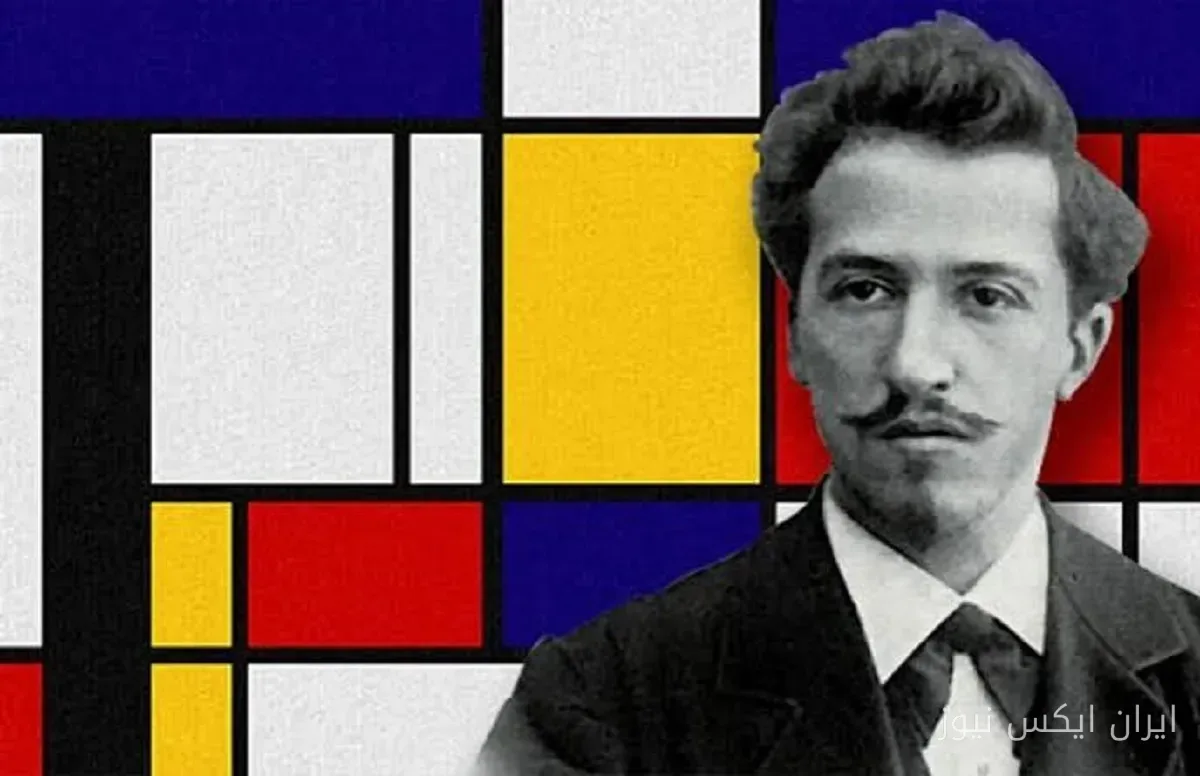
Piet Mondrian, the famous Dutch painter, has become one of the symbols of modern art with his works. At the age of 68, amidst World War II, he moved from Europe to New York, and this relocation had a significant impact on his artistic style. Living in a bustling city full of cultural diversity allowed Mondrian to tap into a new world of inspirations and ideas.
War and Escape to New York
Upon arriving in New York, Mondrian became enamored with boogie-woogie music. This music, with its fast and lively rhythms, had a profound effect on his mood and works. He also took to dancing, and these new experiences helped him expand his perspective on art. In fact, Mondrian was in search of order and beauty amidst the chaos of urban life, and these efforts are clearly reflected in his works.
Differences in Style and Subject
Mondrian's works before moving to New York primarily included landscapes and nature, but in his new era, he shifted towards geometry and abstract forms. Vertical and horizontal lines, primary colors, and specific compositions became the prominent features of his works during this period. By utilizing these elements, Mondrian not only achieved a new style but also created a novel philosophy in art that contributed to the creation of his visual world.
Looking at Mondrian's works, one can see how he leveraged his experiences living in New York and achieved an innovation in modern art. These differences in style and subject have made Mondrian one of the pioneers of modern art, and his influences are still felt in the art world today.