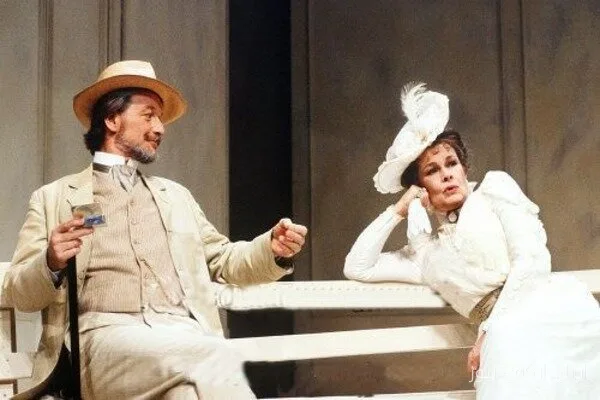
Lyuba Andreyevna Ranevskaya returns to the Cherry Orchard after five years of absence, stepping into her childhood room with tearful eyes and emotions overflowing with nostalgia. This orchard, once a symbol of her family's glory and beauty, is now at risk of auction and massive debts.
The History of the Cherry Orchard and Family Challenges
The Cherry Orchard is one of Anton Chekhov's (1860-1904) prominent works that addresses the decline of the aristocracy and the rise of capitalism. In this play, Ranevskaya and her family face the bitter reality that has trapped them in a past that no longer exists. In the first part of the radio play "The Cherry Orchard," Anya reveals her mother's absolute bankruptcy in Paris, and Varya announces the confirmed auction of the orchard in August.
Read more: The film "Escort"; a story of choice and coercion on the roads
The Financial and Emotional Impacts of the Crisis on the Family
The heavy shadow of the auction and massive debts hangs over this magnificent ancestral estate. Lopakhin, a merchant and family friend, is trying to find a way to save Ranevskaya, but class differences and their differing views on life create more challenges. The family's dark past resurfaces with the memory of Grisha, Ranevskaya's seven-year-old son, drowning, like an old wound, bringing sorrow and grief into the family's atmosphere.
Mahdi Tahmasebi serves as the narrator, and Mohammad Reza Ghobadi Far is the sound effects artist in this radio play. Farshad Azarnia has produced "The Cherry Orchard" and, with a professional team, has brought the first part of this work to life. This piece, with a duration of 25 minutes and 4 seconds, showcases the depth of the tragedy that the Ranevskaya family is facing.
Read more: How to make Iraqi Okra Stew with Lamb and Whole Garlic · Sasha Baron Cohen will shine in Quentin Tarantino's new play