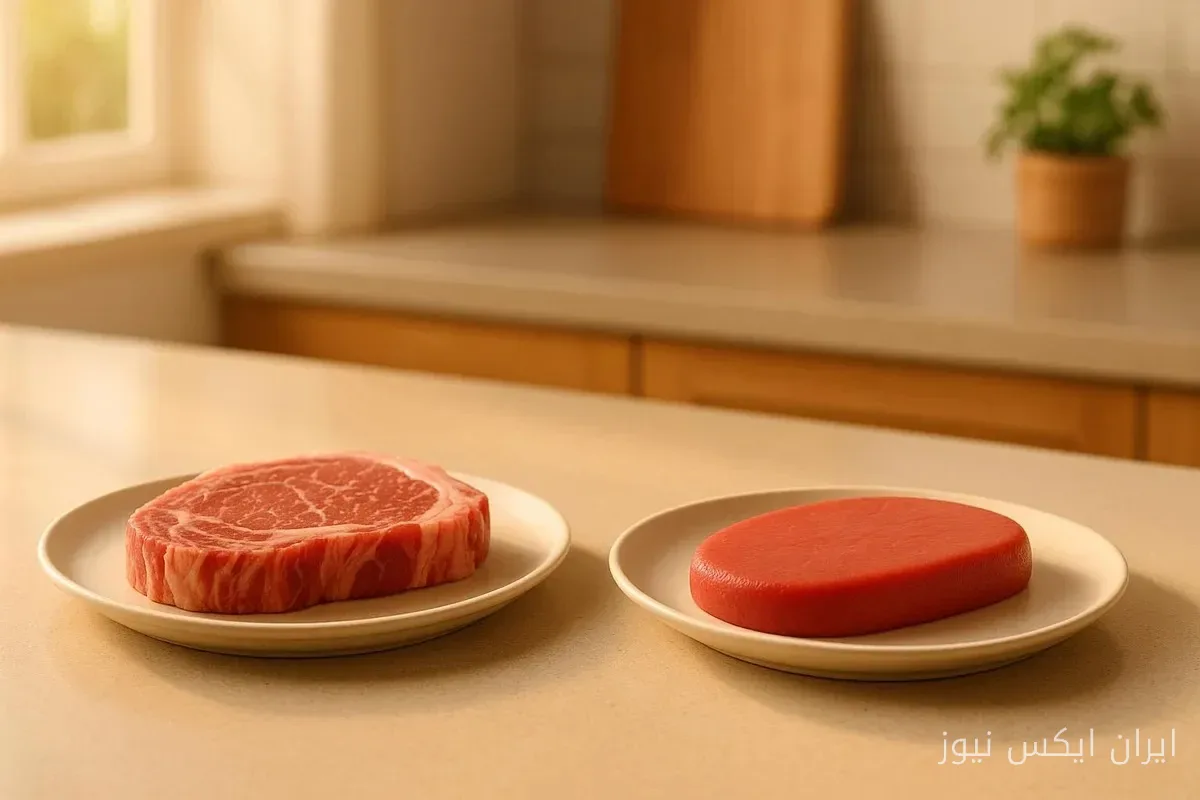
What are the actual nutritional differences between plant-based meat and real meat? A study published in 2025 compared 160 plant-based meat alternatives with 170 meat products available in Germany, Romania, and Ireland.
Comparison of Plant-Based Meat with Real Meat
The table below shows the average nutrient content per 100 grams and the differences between plant-based meat and real meat in the main nutritional categories. Beyond the primary differences, plant-based alternatives have, on average, 7.3 grams more carbohydrates per 100 grams. However, this study found that according to the methodology used, this difference is not significant enough to have a considerable impact on daily intake.
This broader study also showed that meat products, on average, contain about 20% more calories, primarily due to the higher fat content in these products. Sodium, which is often cited as a concern regarding meat alternatives, was found to be almost the same in the samples examined; although the amount can vary significantly among different products.
Are Plant-Based Meat Alternatives Healthy?
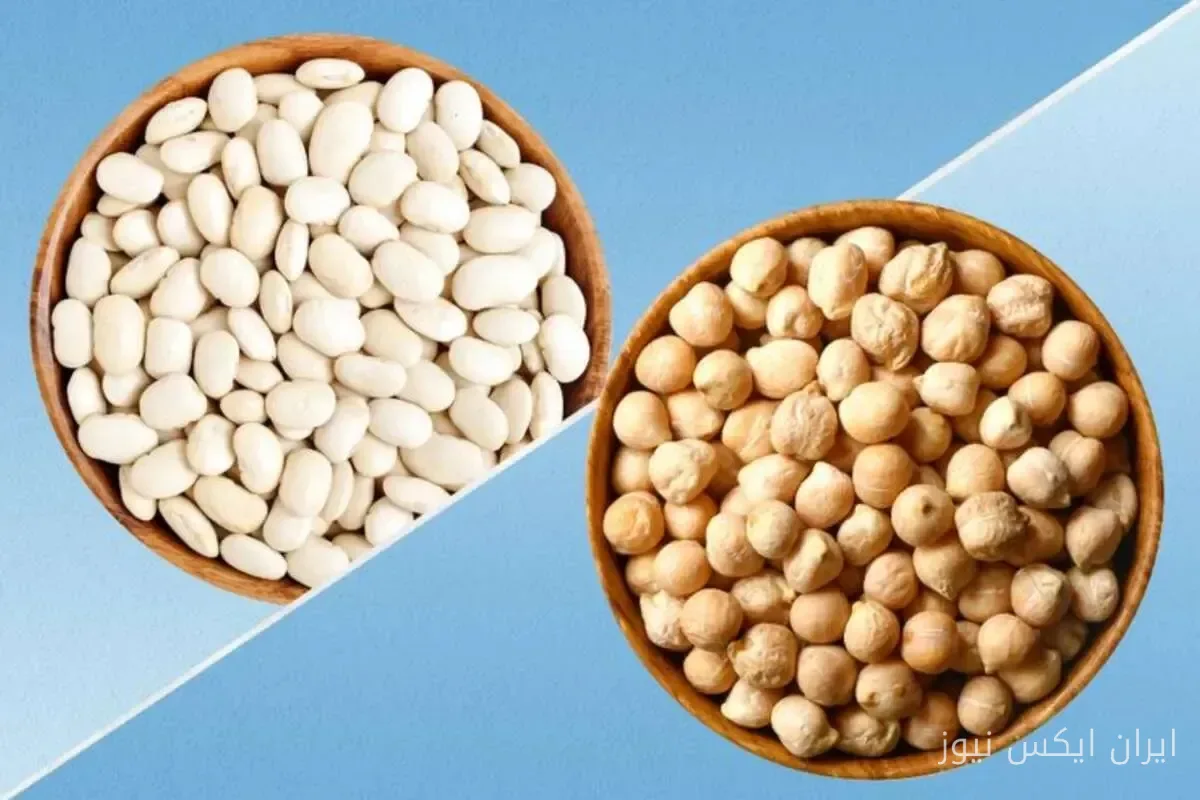
The lack of protein in these products does not mean that plant-based diets are protein-deficient. Sources such as beans, lentils, grains, nuts, seeds, and soy can all provide significant amounts of protein, and dietary diversity also helps meet the essential amino acids needed by the body. This distinction is important because meat alternatives are only part of the broader group of plant proteins. Tofu, beans, lentils, and other minimally processed foods can serve as substitutes for meat without necessarily trying to mimic a burger or sausage.
In fact, a recent comparison of protein sources ranked tofu very highly when both nutritional value and affordability were considered. Animal proteins, gram for gram, typically contain higher amounts of essential amino acids and have higher digestibility. However, researchers at the University of British Columbia emphasize that a well-planned plant-based diet can still provide sufficient essential amino acids, especially when using a variety of sources such as legumes and grains, nuts and seeds, and soy.
Meanwhile, nutrition experts at Harvard University say that simulated meats can have a favorable nutritional profile compared to red meat. However, they also point to sodium levels and processing as factors that consumers should consider when evaluating different products.
Data show that there is no simple "yes" or "no" answer. Each has its own nutritional strengths and weaknesses, and different products can vary significantly from one another. For consumers, the nutritional label of a product may ultimately provide more useful information than whether the product is labeled "plant-based" or "meat."