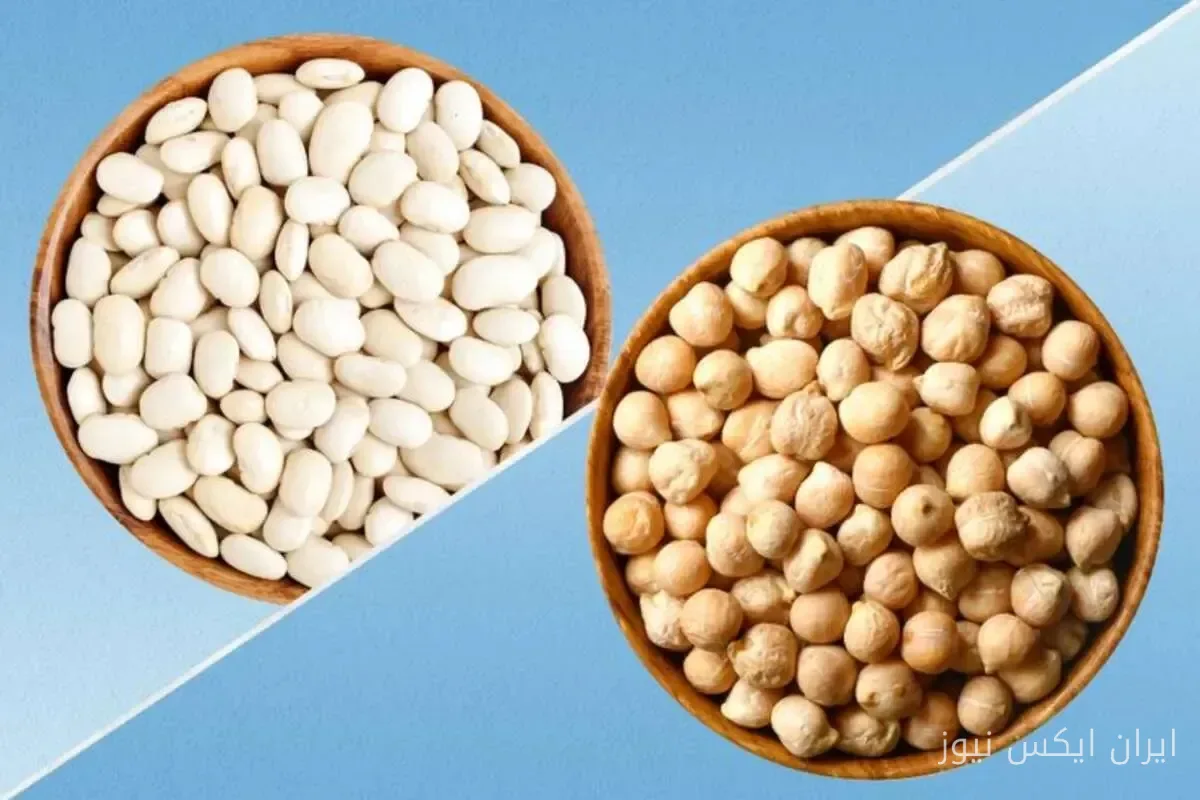
Chickpeas and white beans are among the most popular legumes in the diet due to their diverse uses and easy availability. But which one has more fiber and provides more benefits for the body?
Chickpeas: More Fiber and Feeling Full
A cup of cooked chickpeas contains about 15 grams of plant protein and 13 grams of fiber. The combination of protein and fiber in chickpeas can enhance the feeling of fullness and help control hunger. Studies show that women who consume more legumes typically have less body fat and smaller waistlines. This finding is not limited to chickpeas, but it suggests that the combination of protein and fiber in legumes may help prevent snacking by increasing the feeling of fullness.
Read more: Analysis of the Differences Between Plant-Based and Real Meat in Nutritional Value
The fiber in chickpeas can also be beneficial for gut health. Chickpeas contain prebiotic fibers and resistant starch; substances that provide fuel for beneficial gut bacteria. Some research has also suggested that chickpeas may play a role in producing beneficial compounds in the gut and contribute to overall body health through their antioxidant and anti-inflammatory properties. Chickpeas can be used in foods like hummus, salads, various stews, and curries. Roasted chickpeas are also a suitable snack rich in fiber.
White Beans: More Protein and Minerals
White beans refer to a family of bean varieties, including cannellini beans, great northern beans, and navy beans. The nutrient content of these varieties may vary slightly. A cup of cooked white beans contains about 17 grams of protein and 11 grams of fiber. This type of bean contains both soluble and insoluble fiber; two types of fiber that support feelings of fullness, heart health, and digestive function in different ways.
The fiber and plant protein in white beans may help with weight management, more stable blood sugar levels, and improved metabolic health. These substances can prevent rapid increases in blood sugar after meals by slowing down the digestion process and the entry of glucose into the bloodstream. White beans are also a good source of potassium, iron, magnesium, and calcium. These minerals play roles in various body functions, from fluid balance to blood pressure regulation.
In terms of fiber content, chickpeas with 13 grams of fiber per cup slightly surpass white beans with 11 grams of fiber. However, both foods are excellent sources of fiber and plant protein. Nutrition experts emphasize that the best legumes for a high-fiber diet are those that a person enjoys eating and can consume regularly. Therefore, instead of focusing on minor differences, it is better to incorporate a variety of legumes regularly into the diet.
Read more: The CT scanner with a remarkable rotation around the human body captures precise images · Ammonia leak at a chemical fertilizer plant in southern Iraq leaves two dead