China has dismissed the demands of major tech executives to slow down AI development, considering it fear-mongering. The country believes that AI technology should be freely and unobstructedly accessible to everyone. Contrary to prevailing views in the United States, the Chinese government sees the development of emerging technologies as a tool for universal progress and considers restrictions on it detrimental to the global community.
China's Official Response to Western Claims
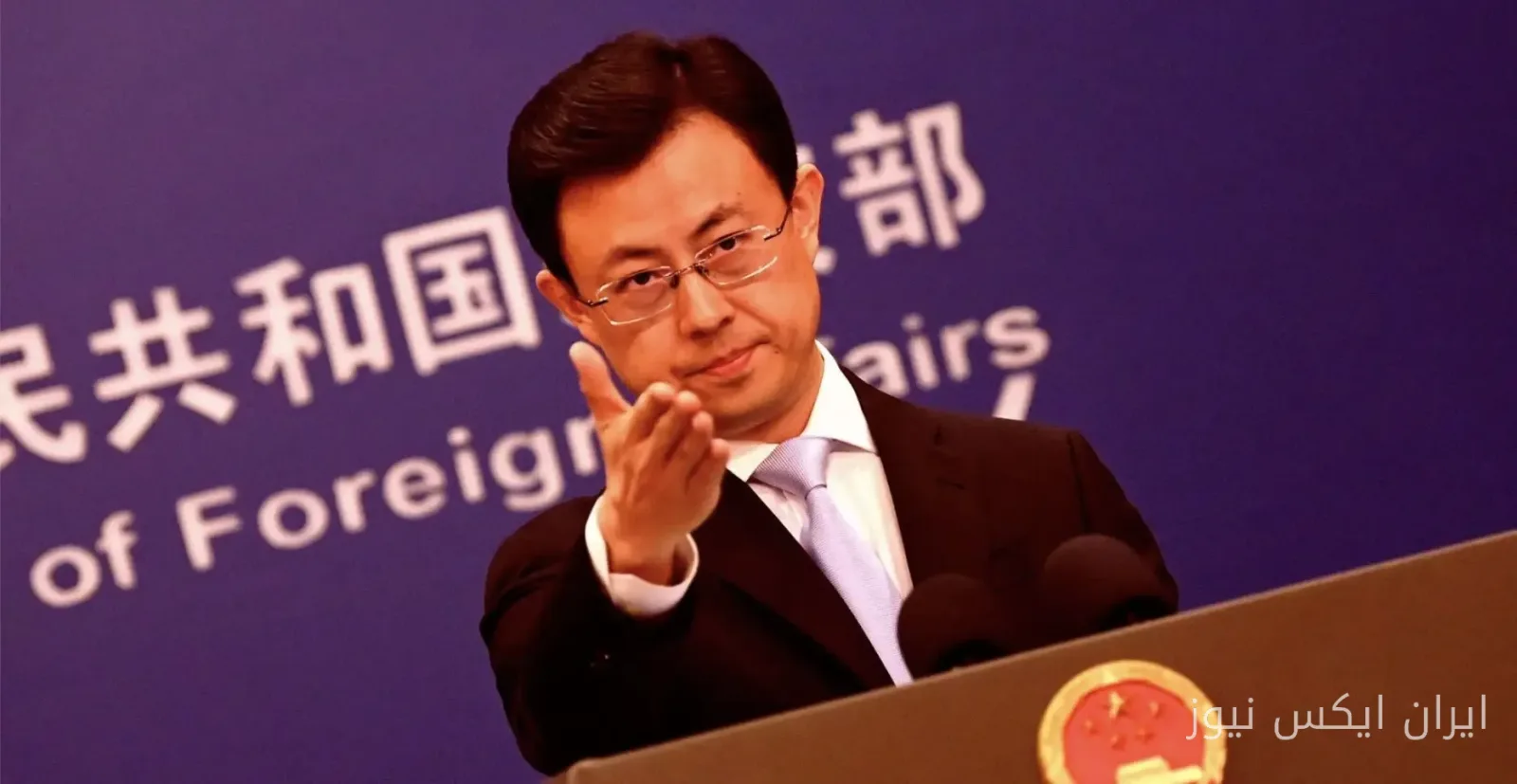
Chinese Foreign Ministry spokesperson, Zhao Lijian, reacted to this issue during a press conference. He emphasized that AI technology is important for the welfare of all humanity and that all countries should cooperate for its open and inclusive development. According to him, creating confrontation, unhealthy competition, and scaring people only blocks the proper management of this technology.
Read more: Filling Car Tires with Nitrogen: Drawbacks and Costs
Differences in Views on Artificial General Intelligence
The perspectives of American and Chinese officials on the concept of Artificial General Intelligence are not the same. In the U.S., achieving AGI is seen as a one-sided competition where the winner takes all. In contrast, Chinese executives and researchers have a different view, seeing the development of this technology as a continuous path that reaches perfection through practical applications.
Previous experience in the tech field shows that even if China is not a leader at the first step, it can quickly close the gap in the implementation and delivery of practical products. Just as this happened in the electric vehicle and communication tools markets, the Chinese believe they can play a significant role in AI-based tools by leveraging their infrastructure and large consumer market.
The sudden change in stance of senior tech executives in the West has raised questions for many analysts. Until recently, most of these companies were competing with each other to gain a larger market share and attract billions in investments. Now that the costs of hardware and server maintenance have risen significantly, raising the issue of apocalyptic risks could be a strategy to obtain supportive regulations from governments.
Unlike the focus of Western media on fictional scenarios, China's approach is more based on the commercialization and use of technology in everyday life. The Chinese are primarily focusing on integrating smart tools in manufacturing, transportation networks, and healthcare to achieve tangible efficiency.
Read more: Mana Energy: Isfahan to Become a Hub for Solar Energy · Possibility of Cancellation of Trump and China's President Meeting