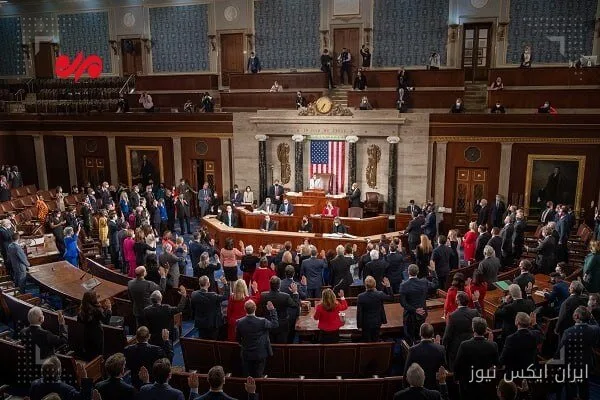
Democratic leadership in the U.S. House of Representatives has opposed the sanctions plan against Russia and Iran, while some members of the party disagree with this position; an issue that indicates the existence of an internal divide regarding the so-called "Lindsey Graham Act."
Strong Support from Democrats for Ukraine
Democrats in the U.S. House of Representatives strongly support Ukraine, but representatives such as Greg Meeks, Don Beyer, and Richard Neal believe that the Lindsey Graham Act for imposing sanctions on Russia and Iran will cause more harm than good. These representatives believe that these sanctions could seriously damage the economic and political relations of the United States with other countries.
Read more: General Mousavi: The Glory of the Prophethood Should Be Preserved in the Streets Through Unity
Details of the Lindsey Graham Act
The disagreement over this plan relates to the fact that this law allows U.S. President Donald Trump to impose tariffs of up to 100 percent on the largest oil-importing countries from Russia. This action has raised concerns about damage to global markets and Washington's allies. The U.S. Senate passed a proposal for a new round of sanctions against Russia with a decisive majority in mid-August, targeting the energy sector, the "shadow fleet" of Russian oil tankers, and some senior officials of the country.
Alongside new sanctions against Russia, this plan is also aimed at preventing the expiration of U.S. sanctions against Iran's energy and arms sectors. According to this plan, sanctions against Iran have also been extended until 2031. This extension reflects the serious determination of the United States to pressure Iran in economic and military areas.
Despite the strong support of some Democrats for the sanctions, intra-party divisions are forming, and some representatives are seeking diplomatic solutions to issues related to Iran and Russia. This is while an agreement on these issues could significantly impact U.S. foreign policy.
Ultimately, this internal divide within the Democratic Party may affect the fate of future legislative proposals and indicates the political challenges facing the U.S. government.
Read more: CENTCOM Commander: We Have No Concerns About Ammunition Shortages from Iran · Countries with the Most UNESCO World Heritage Sites and Iran's Position