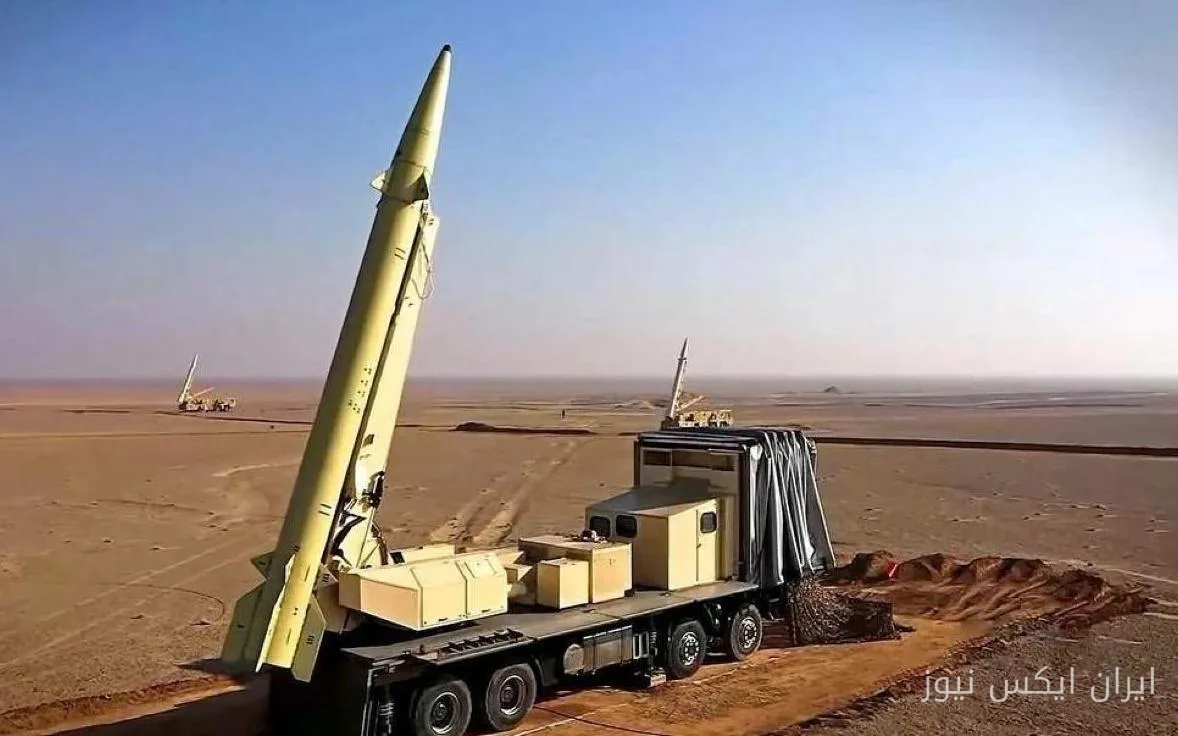
Abbas Araghchi, Iran's Foreign Minister, traveled to China yesterday to discuss the Hormuz Strait crisis and its dimensions with officials of this country. The Hormuz Strait, recognized as one of the most important energy passageways in the world, has now become a point where energy security, power competition, and diplomatic routes are intertwined.
The Importance of Araghchi's Trip to Beijing
Araghchi's trip to China comes at a time when the passage of ships through the Hormuz Strait has significantly decreased, raising concerns about security and stability in the region. Yesterday, shipping data showed that only four ships passed through the Hormuz Strait, while the daily average over the past 10 days had been 18 vessels. This reduction in traffic has drawn China's attention as the largest buyer of Iranian oil.
Read more: Blinken: Gulf States Seek Agreement with Iran
China's Position on the Hormuz Crisis
On the sidelines of the BRICS summit, Xi Jinping, the President of China, announced that his country is ready to help bring peace and stability to the Persian Gulf. This stance from China has further emphasized the importance of Araghchi's trip and indicates Beijing's willingness to play a mediating role in this crisis. Wang Yi, China's Foreign Minister, also called for restraint from Iran and the U.S. and the resumption of talks based on the Islamabad agreement during his meeting with Araghchi.
Given that Chinese shipping companies are also at risk during this crisis, China has clearly stated that reopening the Hormuz Strait is essential for the stability of energy transportation. This clearly shows that the continuation of shipping restrictions in Hormuz is not only related to Iran or the U.S., but also has broader impacts on the energy market and the economies of major energy-importing countries.
China as a Major Mediating Power
Araghchi's trip to China occurs while Oman, Qatar, and Pakistan are also trying to establish dialogue channels with Iran and Western parties. However, China has entered this arena as a major power with broader political and economic tools. As a permanent member of the Security Council and with strong economic ties to Gulf Arab countries, China can act as an effective mediator.
Araghchi's trip to Beijing represents a serious shift in Middle Eastern diplomacy and could lead to the reopening of energy routes and a reduction in tensions in the region. Given the current conditions and China's efforts to play an active role in this crisis, it remains to be seen whether this trip can lead to tangible results.
Read more: Insects and Decision-Making: 5 Lessons from Small Brains · Medicalian's Order: Car-Free Day and Remote Work on the Government's Agenda