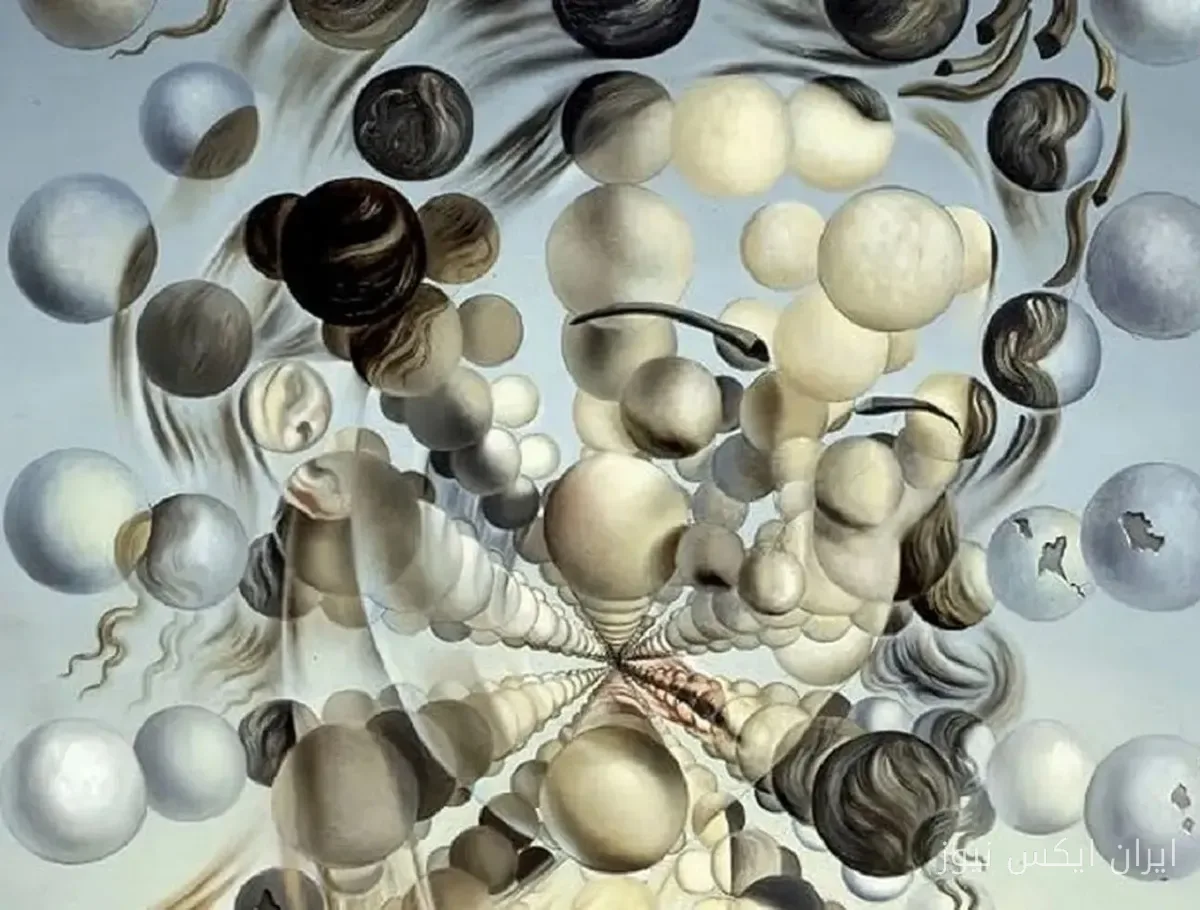
The mind-body problem has confronted philosophers for centuries with a fundamental question: Is the mind something separate from the body, or is it merely a physical phenomenon? Dualism asserts that the mind has a non-material nature, while materialism believes that the mind and body are ultimately of the same kind and that mental processes also have a physical nature.
Substance Dualism and Descartes
Although arguments in defense of dualism have existed at least since the time of ancient Greek philosophers, the modern form of this view is usually attributed to René Descartes. Descartes believed that the mind is made of something different from the physical matter of the body. Thus, the mind has a mental substance, and the body has a material substance. This view is commonly referred to as substance dualism or Cartesian dualism.
Read more: Pakistan Army: Our relations with Iran are strategic and a component of mediation
One important view in substance dualism is interactionism. According to this theory, the mind and body can causally affect each other. For example, an increased heart rate may lead to a state of anxiety, and conversely, anxiety can also increase the heart rate. However, interactionism faces a fundamental problem: if the mind is non-material, how can it affect the material body?
Property Dualism and the Subordinate Phenomenon Theory
The