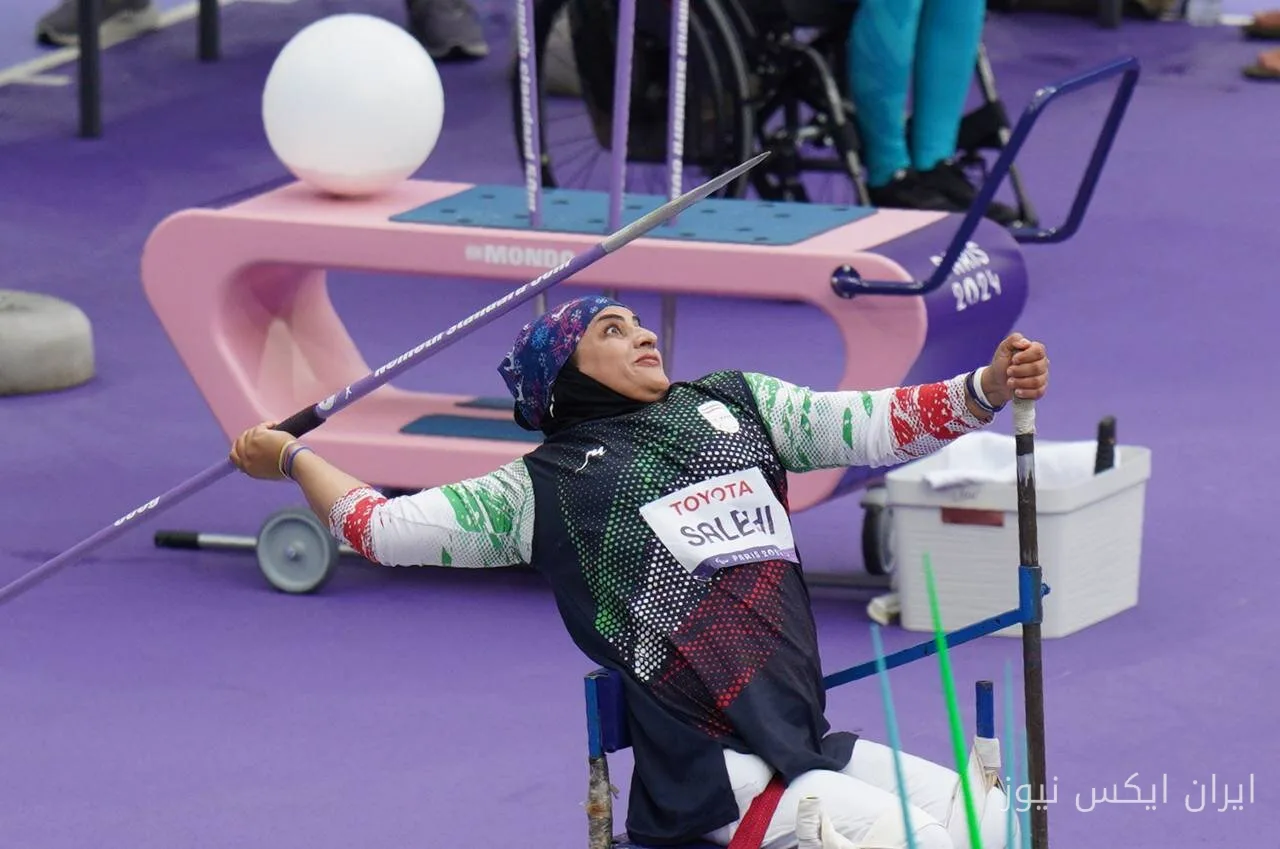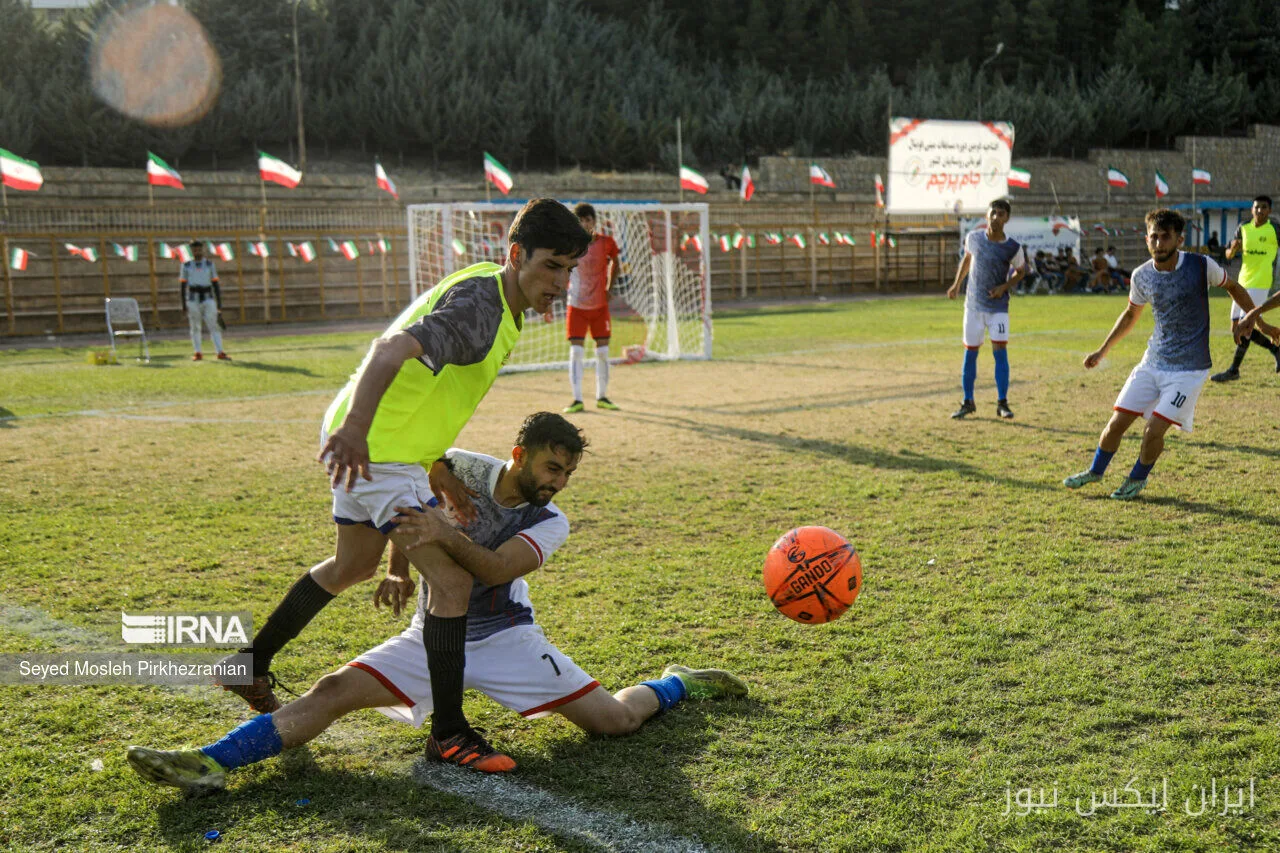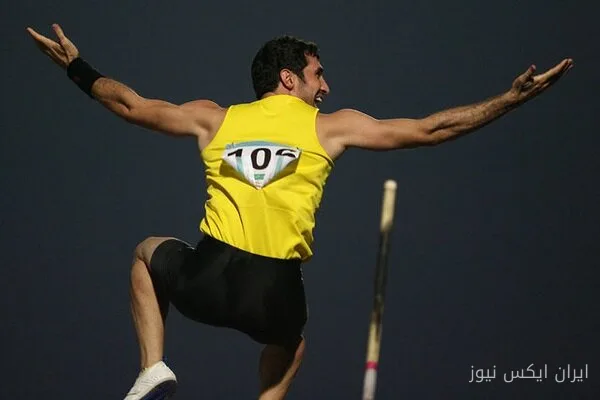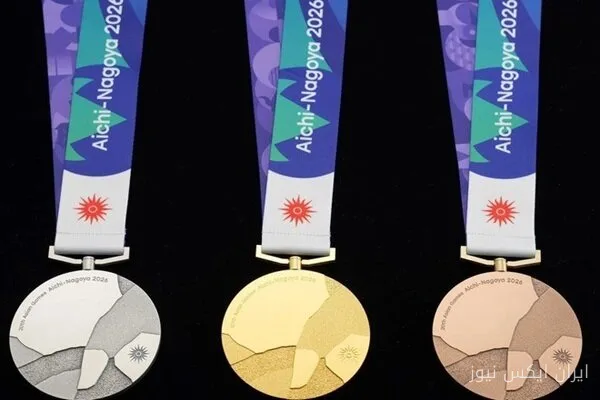
Iranian sports federations have set exclusive rewards for medalists of the Nagoya Asian Games, which has turned into one of the hot topics of this event. With just a few days left until the start of the twentieth edition of these games, some federations have determined special rewards for their athletes, separate from the official rewards of the government and the National Olympic Committee.
Official and Exclusive Rewards
The National Olympic Committee has announced that for individual and team gold medals, a reward of 3 billion tomans is allocated, for silver 1 billion tomans, and for bronze 400 million tomans. These amounts are independent of the rewards given by the Ministry of Sports and Youth to medalists. Thus, athletes will benefit from an official reward system even before they reach the podium.
Read more: Bakhtiari Zadeh: We are seeking victory with respect to Al Sadd
Federations have also entered the fray and set their own exclusive rewards for medalists. The Athletics Federation has allocated 4 billion tomans in rewards for its medal-winning athletes. Additionally, the Aquatic Sports Federation has set high rewards for its medalists, indicating an increase in athlete motivation.
Criticism and Questions
These actions have not been without criticism. Some experts believe that the rewards should be determined based on the actual chances of athletes winning medals, rather than merely the financial capacity of the federations. This issue is particularly noticeable in sports with lower chances of winning medals. For example, the Boxing Federation has set significant rewards for its medalists, while some sports with a higher likelihood of winning medals are deprived of such rewards.
The main question is, what is the criterion for determining the rewards? Are these rewards set based on the actual chances of winning medals or simply due to the financial capacity and managerial decisions of each federation? In fact, in some sports, experienced athletes with high rankings are serious contenders for medals, while in other sports, reaching the podium is merely an ambitious goal.
Ultimately, the wave of setting exclusive rewards by federations in sports is becoming more widespread. This is while a federation of a less likely sport may set a heavy reward for a medal, but a sport with a much higher chance of winning may not have such promises at all. This contradiction could lead to new challenges in Iran's elite sports.
Read more: Increase in public reports in 'Sajam' and winning three world medals in Kurash by Hamadan athletes · Iran's weightlifting in Nagoya; gold in the hands of tough competitors!