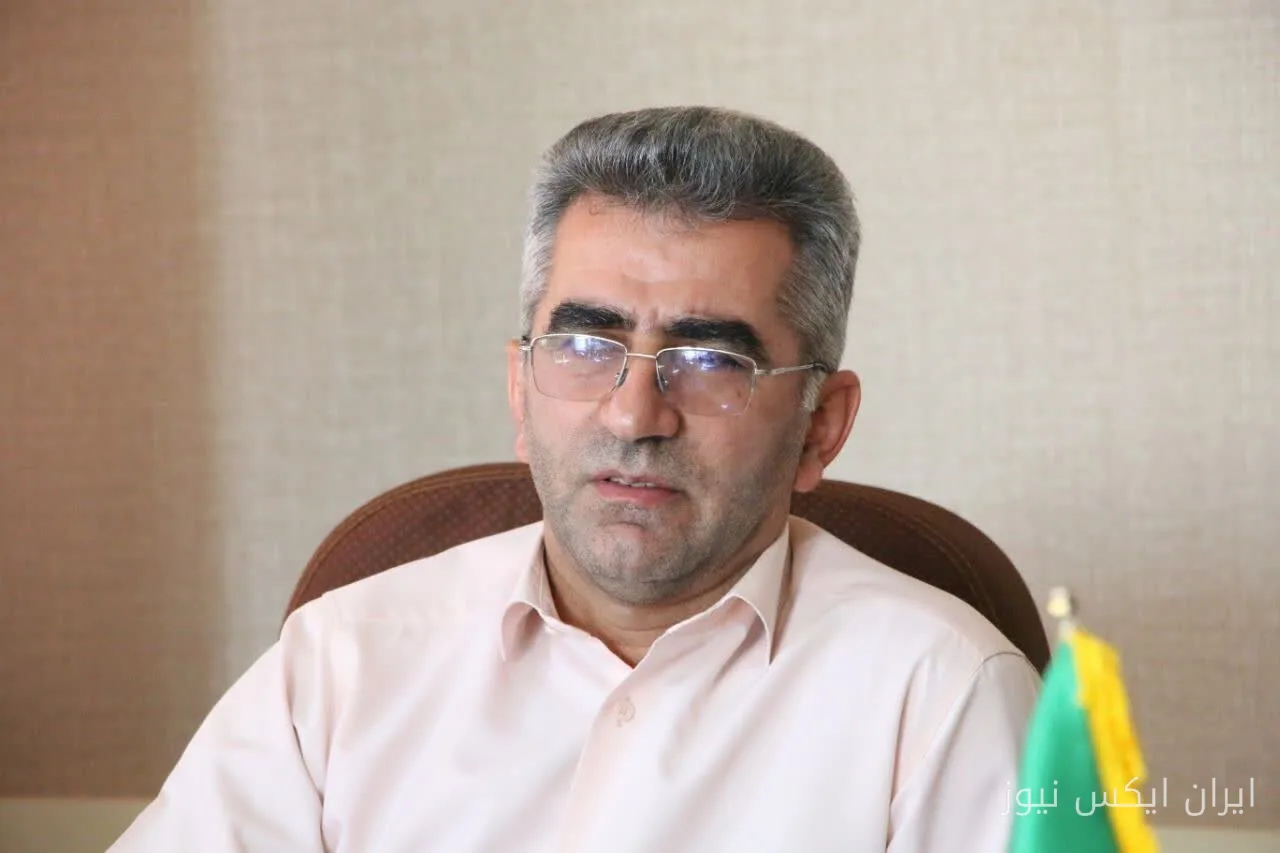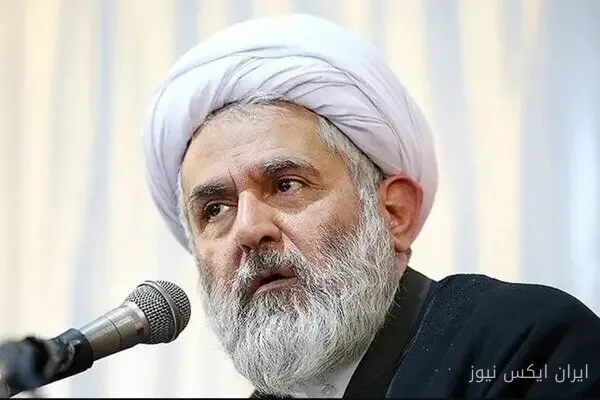
Hojjatoleslam Val-Moslemin Tayeb, at the second international event 'The Promised Truth in the Mirror of Art', emphasized the necessity of utilizing the capacity of art to narrate the experience of the Iranian nation's resistance, the developments in Palestine, and the contradictions between the human rights claims of the West and the actions of major powers.
Soft War and Perceptual War
The head of the Basij Organization in this event explained the dimensions of soft war and perceptual war, stating: One cannot fully understand the narrative of any incident without considering the contexts of its formation and its consequences. To accurately understand an event, one must consider both its 'prior narrative' and its 'subsequent narrative'; that is, the factors that shape the incident and the consequences that affect society and public opinion must be simultaneously taken into account.
Read more: Utilization of the second phase of the Sacred Defense Museum Garden in Golestan
He emphasized that the main goal of soft war is not the conquest of territory; rather, it is to change individual and collective mindsets and to seize the value system of societies. In such a battle, efforts are made to change the place of love and hatred towards one's own and foreign values, and imposed values replace the national, religious, and human values of nations.
The Role of Media in Public Opinion
Hojjatoleslam Val-Moslemin Tayeb further considered the role of media in shaping global public opinion as one of the most important tools, adding: A significant portion of the media and communication infrastructures in the world are influenced by major powers; therefore, many different narratives, especially those that can affect Western public opinion, face restrictions in dissemination.
He stated: In such circumstances, artists and cultural movements cannot merely be consumers of dominant narratives. They must produce their own narratives, find an appropriate communicative language for a global audience, and convey the realities of their region and society through film, theater, visual arts, poetry, music, and fiction.
In another part of this event, Hojjatoleslam Val-Moslemin Tayeb deemed it essential to consider the short-term and long-term backgrounds of these events for analyzing the developments in Palestine and the region, and he analyzed the operation 'Storm of Al-Aqsa', which challenged the image constructed of the intelligence and military capabilities of the Zionist regime.
He also emphasized the necessity of reflecting the steadfastness and cohesion of the Iranian people in artistic productions, stating: The Islamic Iranian society has gone through a tangible experience of resistance and steadfastness, and this experience must be transformed into artistic works that can connect with audiences in the region and the world.
Read more: The Director General of Culture and Islamic Guidance of Yazd: The Yazd Short Film Festival is being revived · Venice Award; A Silence Beneficial to the West and the Homeland?