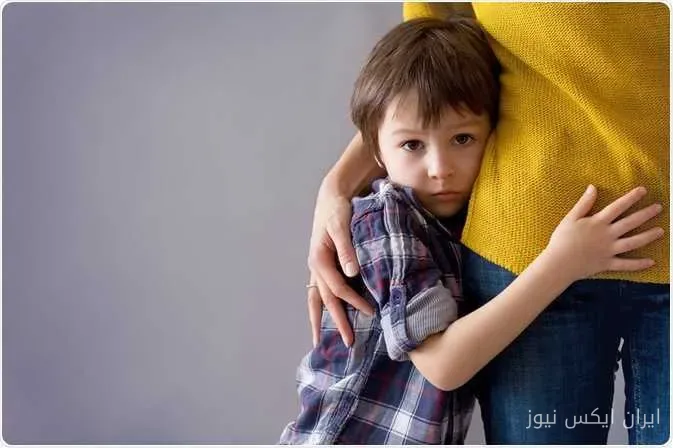
Children's visits to treatment centers due to psychological problems have risen from about 6 cases per 100 children in 2014 to nearly 10 cases in 2023. Among these, visits related to anxiety have seen the most significant increase, growing by about 300 percent over the past decade. These concerning changes indicate an urgent need to reconsider educational methods and support for children's mental health.
Roots of Anxiety in Children
Anxiety in children is not just a "simple worry"; it is a reaction that their body and mind show in response to environmental pressures. Today's world is changing at a very rapid pace, and children's nervous systems sometimes cannot keep up with this volume of change. One of the main roots of this anxiety is our perception of success. Nowadays, children face various tests and intense competition from a very young age. When a child feels that their love and value in the family depend on the grades they receive, they experience "performance anxiety."
Read more: Waking Up Without an Alarm: Natural Ways to Start the Day
Impact of the Virtual World and Family Structure
Social media has opened a window to the filtered and flawless lives of others. Children and adolescents, who are still in the process of forming their identities, compare themselves to the glossy and false images of the virtual world. These comparisons may create feelings of inadequacy and lagging behind. Additionally, hidden bullying in the virtual space and access to distressing global news fill their sensitive minds with worries that are beyond their age and processing ability.
Children absorb all the emotions of their surroundings like sponges. When parents are stressed due to work concerns or economic problems, this tension is directly transferred to the child. The reduction of quality time without mobile phones and television has weakened the emotional bond that is the primary source of security for the child.
Practical Solutions to Reduce Anxiety
Fortunately, we have a lot of power to change this situation. A few small changes in family lifestyle can build a strong barrier against anxiety:
- Creating a Safe Haven at Home: The home should be a place where the child does not need to be "perfect." Spend at least 15 to 20 minutes of completely dedicated time with your child each day.
- Regulating the Body's Biological Clock: Adequate sleep and healthy nutrition are vital for brain health. Try to remove digital devices from access at least one hour before bedtime.
- Teaching Coping Skills: Teach the child how to face their feelings and worries and support them.
- Adjusting Expectations: Instead of asking "What did you score?", ask them "What new thing did you learn today?" to lift a heavy burden off their shoulders.
If a child's anxiety has reached a level that affects their daily life, it is time to consult a child counselor or psychologist. Seeking help from a specialist does not mean weakness; rather, it demonstrates your intelligence and commitment to your child's future health.
Ultimately, aware and supportive parents can help their children cope with the anxieties arising from today's complex world and become resilient and confident individuals.
Read more: Director General of Welfare Organization of Khorasan Razavi: 70 homeless addicts escaped from Mashhad camp · Endless Waiting: The Pain and Suffering of Families for Alzheimer's Diagnosis