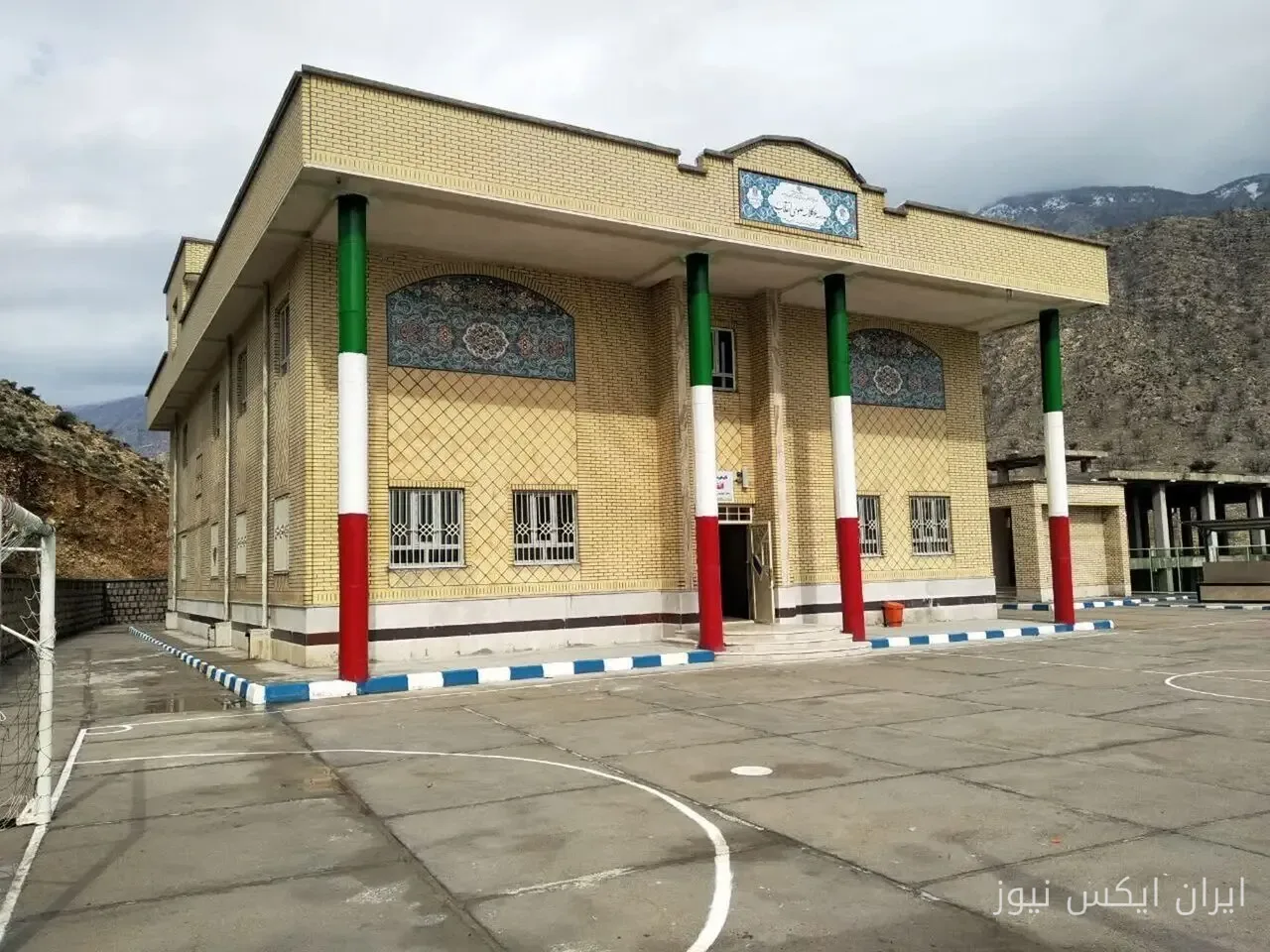
Management of school closures has been transferred to the Ministry of Education. Rezvan Hakimzadeh, the Deputy Minister of Primary Education, announced in her recent meeting that this ministry has become the authority for decision-making regarding school closures, and with this change, decisions can be made according to the conditions of each region instead of a nationwide closure.
The Necessity of Preserving Learning Time
Hakimzadeh, referring to the importance of preserving students' learning time, said: Learning time in our country is significantly less compared to many other countries. This lack of time harms students' learning outcomes. She stated that sometimes, for various reasons such as air pollution and energy imbalance, the first places to be closed are schools, and these decisions can harm learning time.
Read more: Hassan Qashqavi: Military and Economic Deterrence is a Condition for Iran's Security
Experience of the Corona Period
The Deputy Minister of Primary Education referred to the experience during the Corona period and said: Iran was one of the countries with the longest period of school closures, while many countries, despite having advanced technological facilities, reopened their schools after about a month. She also reminded that reports from the World Health Organization indicate that schools are not the focal point for the start of Corona and that children are not at serious risk.
Hakimzadeh emphasized that decisions regarding school closures should be made more carefully and stressed the necessity of cultural development to reduce school closures. She said: If we provide the necessary education and reconsider our consumption behavior, we can largely prevent school closures.
Analysis of School Closures and Energy Imbalance
The Deputy Minister of Primary Education further referred to a research report that examined various factors leading to school closures. She stated that the results of this study showed that school closures do not significantly impact reducing energy imbalance, and therefore, there is a need for more precise decisions in this area.
Hakimzadeh, referring to the standards for school closures during air pollution, added: In many countries, even when the level of air pollution exceeds our criteria, schools continue to operate. She emphasized the necessity of reconsidering some policies and serious cultural development in managing learning time.
Read more: Mohammad Reza Pispar: The Crisis of Iranian Youth Identity in the Digital Age · Controversial Proposal for Holding a 'Comprehensive Exam' to Assess Students