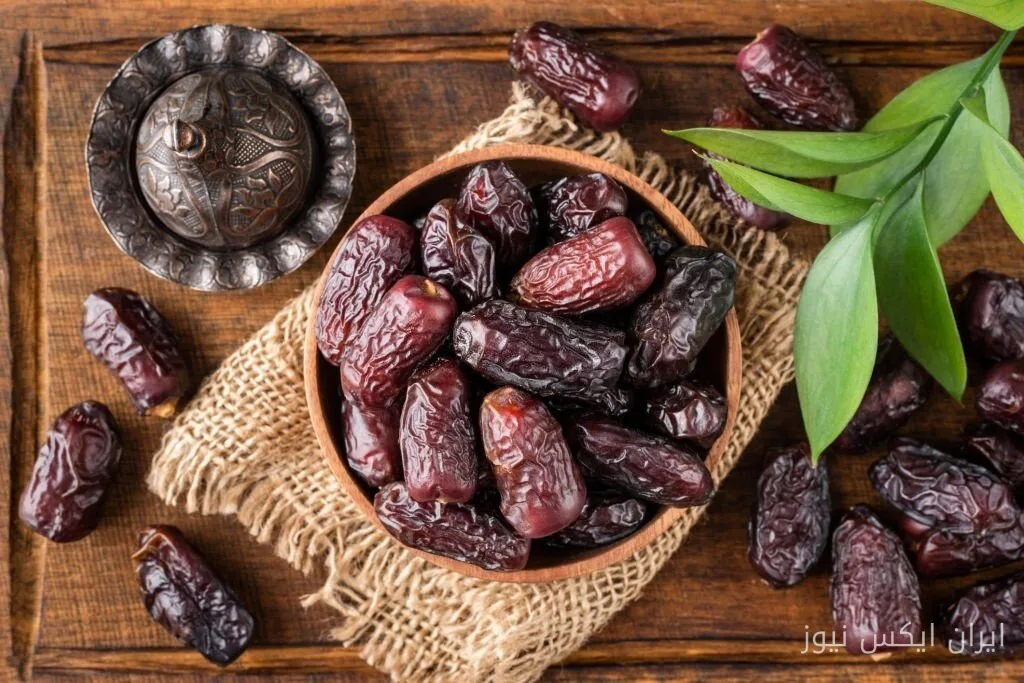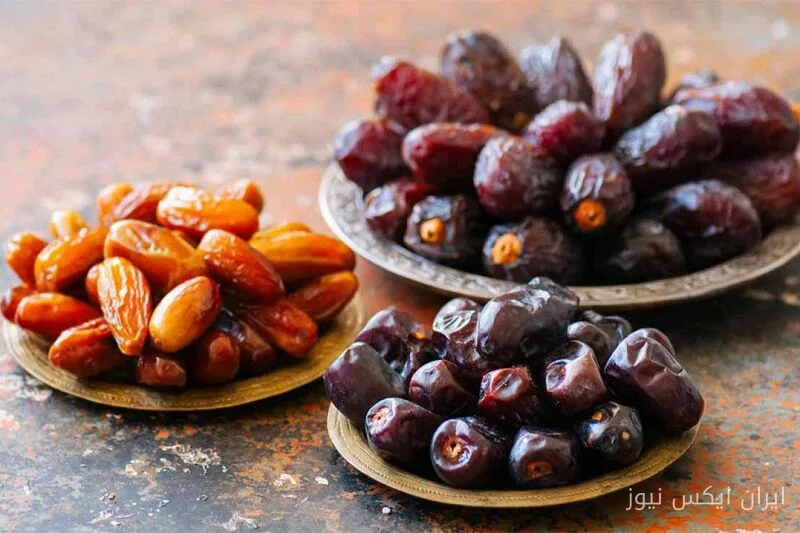
September 16th, Iran's National Date Day, in Hormozgan is not just a reminder of a sweet product; it narrates the story of palm groves that have stood for centuries in the southern heat. This day especially reminds the people of Hormozgan of the importance of dates in their daily lives and economy.
Cultivated Area and Date Production in Hormozgan
Currently, Hormozgan, with 38,000 hectares of date cultivation, is considered one of the largest producers of this product in the country. It is estimated that around 200,000 tons of dates will be produced in this province this year. These statistics not only reflect the high agricultural capacity of Hormozgan but also clearly depict the importance of this product in the livelihood of the people in this region.
Read more: The price of the Parsian coin was announced on Wednesday, September 16, 1405
Dates, a Cultural and Economic Symbol
Dates, as one of the main agricultural products in Hormozgan, play a significant role in the culture and economy of this province. Palm groves are not only a source of income for farmers but are also recognized as a symbol of the cultural identity of the local people. On this day, various ceremonies and celebrations are held across the province, reflecting the love and respect of the people of Hormozgan for this product.
Attention to date production in Hormozgan, in addition to meeting domestic needs, can help in exporting this product and increasing the province's revenues. Given the high quality of Hormozgan dates, this province can also find a suitable position in global markets.
For this reason, the government and relevant institutions should pay more attention to supporting farmers and improving the conditions for date production in Hormozgan. By investing in infrastructure and improving agricultural technologies, it is possible to enhance the production and quality of dates and ultimately contribute to the economic prosperity of this province.
Read more: Scheduled power outages in Kohgiluyeh and Boyer-Ahmad · Economic newspapers addressed the increase in commodity vouchers and the housing recession