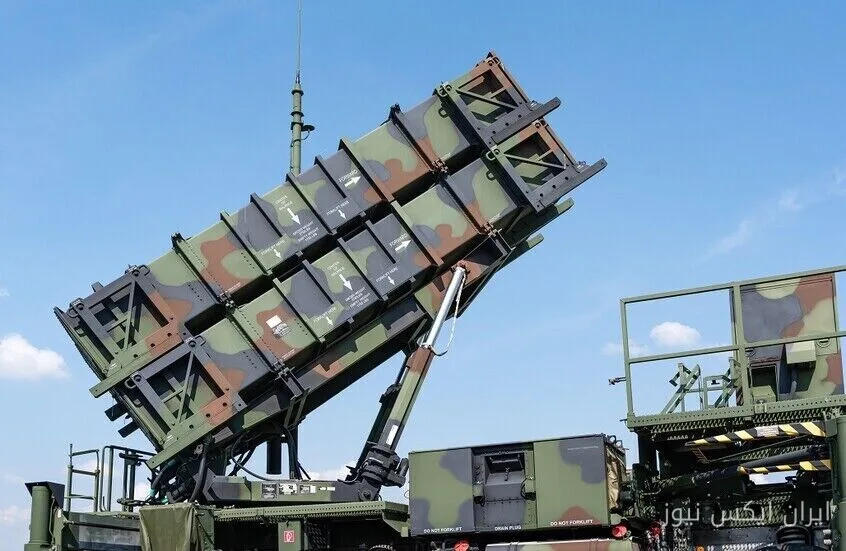
Saudi Arabia, while continuing its conflicts with the Houthis (Ansar Allah movement) in Yemen, is facing a serious crisis in securing defensive interceptor missiles. This situation has arisen due to the increase in missile attacks by the Houthis on domestic targets in Saudi Arabia, especially in sensitive and strategic areas.
Saudi Arabia's defensive situation against threats
The repeated attacks by the Houthis on Saudi Arabia, particularly from Yemen, have raised serious security concerns for Riyadh. These attacks not only threaten Saudi Arabia's vital infrastructure but also impact the public morale and national security of the country. Saudi Arabia is trying to respond to these threats by strengthening its defense systems, but the shortage of interceptor missiles is one of the main challenges facing the country.
Consequences of the shortage of interceptor missiles
The shortage of interceptor missiles could mean increased vulnerability for Saudi Arabia against missile attacks. This issue becomes even more concerning as the Houthis continue to develop and improve their military capabilities. These concerns may lead to increased military spending and also the need to procure weapons from other countries.
On the other hand, this situation may lead to changes in Saudi Arabia's security policies. Riyadh may seek military cooperation with other countries to strengthen its defensive capabilities and may also invest in purchasing more advanced equipment.
Overall, the crisis of interceptor missile shortages in Saudi Arabia is a turning point in the country's defense policies and could have profound impacts on its national and foreign security.