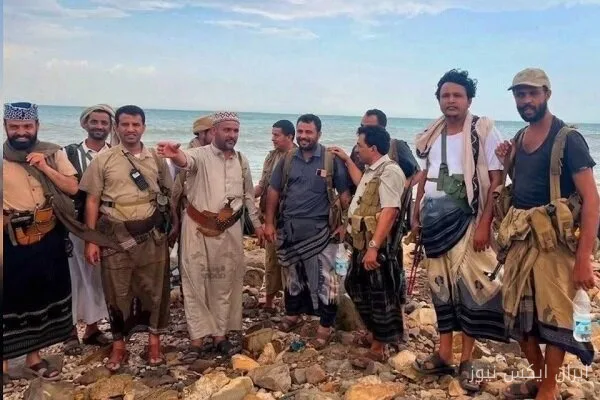
Ansarullah has managed to dominate key fronts in recent developments in Yemen. The fall of the "Khalid bin Walid" base, advances in "Al-Mokha" and "Al-Wazi'iyah", and control over the "Dhobab" area are among the signs of a strategic shift in the Yemen war in favor of this group. Furthermore, these developments indicate a strategic deadlock for Saudi Arabia, which is facing serious challenges in its efforts to expand the scope of conflicts in Yemen.
Preemptive Attacks by Ansarullah
During this phase of the war, Ansarullah has not limited itself to defense and has carried out preemptive attacks against Saudi mercenary forces in "Al-Abar", "Al-Jawf", and "Al-Bayda". These operations demonstrate Ansarullah's high intelligence and military capabilities and a precise analysis of the opponent's intentions. These developments not only led to the retreat of Tareq Saleh's forces but also challenged the military structure of Saudi Arabia and the UAE, which had been built over 12 years.
Read more: Ghashghavi: Freedom of navigation should not disrupt the security of coastal countries
Strategic Position of Bab al-Mandab
The areas controlled by Ansarullah in "Al-Mokha" and "Dhobab" hold significant strategic importance as they overlook the Bab al-Mandab Strait. Dominating this strait allows Ansarullah to control trade and security issues in the Red Sea. This reduces targeting distance and increases the ability to exert pressure on the coasts. Therefore, recent developments in Bab al-Mandab could become turning points in the Yemen war.
Meanwhile, Mohammed bin Salman, the Crown Prince of Saudi Arabia, has been seeking assistance from the United States for military intervention against Ansarullah. However, Washington, due to being embroiled in its own crises, is reluctant to open a new front. This adds to Saudi Arabia's strategic deadlock and imposes heavy costs on the country.
On the other hand, Saudi Arabia has been trying to bypass the Strait of Hormuz by creating an "East to West" oil pipeline, which was damaged in recent Ansarullah attacks. This has led to an increase in the crisis in Saudi Arabia and heightened risks for global energy trade.
Ultimately, the current developments in Yemen indicate a shift in the war equations in favor of Ansarullah and challenge Saudi strategies. These changes could have serious consequences for global security and trade.
Read more: Saudi Arabia postponed the Hormuz meeting · Mohammad Shahriari: The university should play a more active role in the war