China is approaching the resolution of the Gulf crisis with a new four-point plan. Mohsen Pak-Aein, a former diplomat, discussed the background of the existing crises in the region during an interview about Seyed Abbas Araghchi, the Foreign Minister's trip to China.
The State of the Crisis in the Gulf Region
Pak-Aein emphasized that Araghchi's trip comes at a time when the Gulf region is in crisis due to the aggressions of the United States and the Zionist regime. These aggressions have led to disruptions in the Strait of Hormuz, and the U.S. naval blockade is seen as a continuation of the war against Iran. The conflicts between Saudi Arabia and Yemen have also added to the problems in the Bab-el-Mandeb Strait. Saudi Arabia, one of the main oil suppliers to China, is currently deprived of passing through this strait, and the aerial blockade of Yemen has exacerbated this crisis.
Read more: Washington Seeks to Limit Iran's Ties with Central Asia
The Importance of Consultation with China
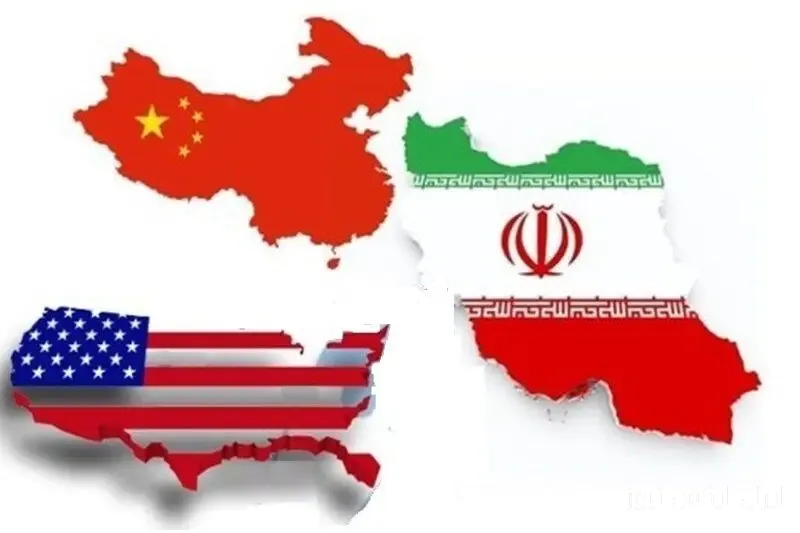
Pak-Aein continued: Consulting with China, as Iran's primary economic partner, is particularly important at this juncture. As an industrial country, China has a strong need for oil and gas imports, and the current conditions have posed challenges for the transfer of these resources through important straits like the Strait of Hormuz. As long as the U.S. is present in this region, problems will persist. This former diplomat also noted that the Chinese presented a four-point plan to resolve crises during the recent meeting between the President of China and the President of Egypt.
Details of China's Four-Point Plan
Pak-Aein referred to the four points of this plan and stated: The first point emphasizes cooperation among Gulf and West Asian countries based on their own security and military capabilities and should not rely on countries like the United States. This view is similar to Iran's perspective on regional collective security. The second point addresses the issue of Palestine and the necessity of prioritizing it for West Asian countries. The third point emphasizes the establishment of economic cooperation among West Asian countries, which could be a precursor to security in this region. Finally, the fourth point highlights the necessity of stabilizing rights and international laws in crises so that no country acts beyond the law.
Consequences of China's Entry into Regional Crises
Pak-Aein stated: China's involvement in this matter indicates the country's concern about future threats in the energy market. These developments could be beneficial for Iran and other countries in the region. He also predicted that the motivation for Araghchi's trip to China could not be linked to the upcoming meeting between the President of China and Trump.
Trump's Role in Regional Tensions
Pak-Aein concluded by referencing Trump's recent statements about Iran, saying: These statements are largely promotional and undermine global trust. As long as Trump is in power, there are risks, and the armed forces of the Islamic Republic of Iran are fully aware of this issue and are prepared to confront any threats.
Read more: Hojjatoleslam Jalali: We Will Not Leave Our Street Position · Trump Calls Gulf Leaders to Decide on 'Post-Iran War'