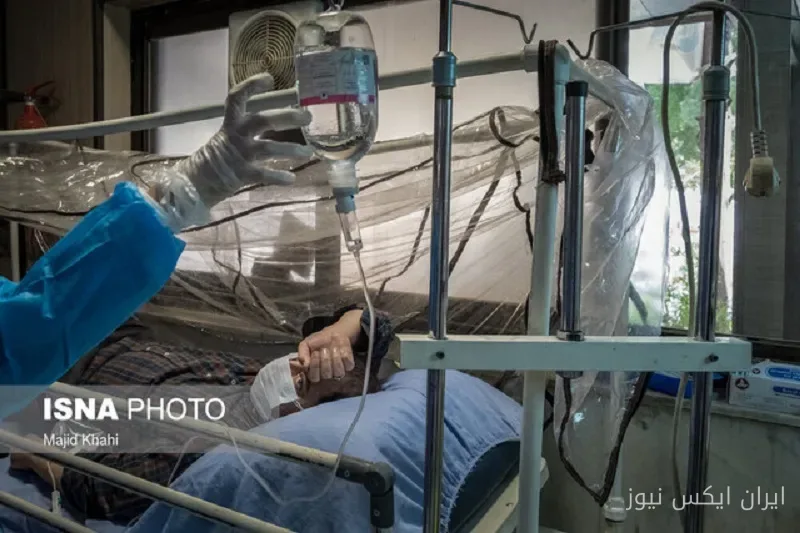
COVID-19 has reached a high alert threshold and Influenza type B is currently circulating. As we approach the cold season, signs of increased circulation of respiratory viruses in the country have become more serious. Despite the conditions of war and sanctions, expectations for the procurement and distribution of the influenza vaccine, although delayed, continue.
Increase in positive cases of COVID-19 and Influenza
The Center for Disease Control and Prevention of the Ministry of Health has reported an increase in the percentage of positive COVID-19 cases compared to the previous week. The positive rate of COVID-19 tests has reached 11.7 percent, surpassing the high alert threshold. In the twenty-fifth week of the year, 7.4 percent of outpatient visitors had flu-like symptoms and 6.9 percent of hospitalized patients exhibited severe respiratory infection symptoms.
Read more: Hunger affects mood
This situation becomes more significant as we approach the fall and winter seasons. Increased presence of individuals in closed spaces, gatherings, and the reopening of schools and universities creates more opportunities for the transmission of respiratory viruses. Thus, the current rise in respiratory infections such as COVID-19 and influenza should be seen as a warning for the necessity of strengthening care before entering the cold months of the year.
Change in the pattern of influenza circulation and vaccine challenges
Among respiratory pathogens, COVID-19 has once again come to attention. The positive rate of COVID-19 in the twenty-fifth week has reached 11.7 percent; while this figure was 8.7 percent in the same week last year. In the laboratory surveillance system, 4,296 respiratory samples have been tested, of which 103 were positive for influenza.
According to the report from the Center for Disease Control and Prevention, 66.6 percent of positive influenza cases are type B. This type remains dominant, whereas in the same period last year, type A influenza was predominant. This change in the pattern of influenza circulation necessitates continuous monitoring of circulating viruses.
Children constitute a significant portion of positive influenza cases; with 36.8 percent of positive influenza cases reported in the pediatric age group. This statistic once again highlights the importance of caring for children and adhering to preventive measures in schools and communal environments.
The influenza vaccine is considered one of the most important preventive tools, especially for at-risk groups, but its procurement this year has faced challenges. Officials from the Food and Drug Organization have stated that orders for the vaccine were placed months ago, but issues such as financial transfers and transportation difficulties due to sanctions and war have disrupted the procurement process.
The main concern is not just the increase of one virus; but the simultaneous circulation of COVID-19 and influenza during the cold months. Preparedness for the cold season must go beyond vaccine procurement and include a chain of care, diagnosis, information dissemination, medication supply, and readiness of healthcare facilities.
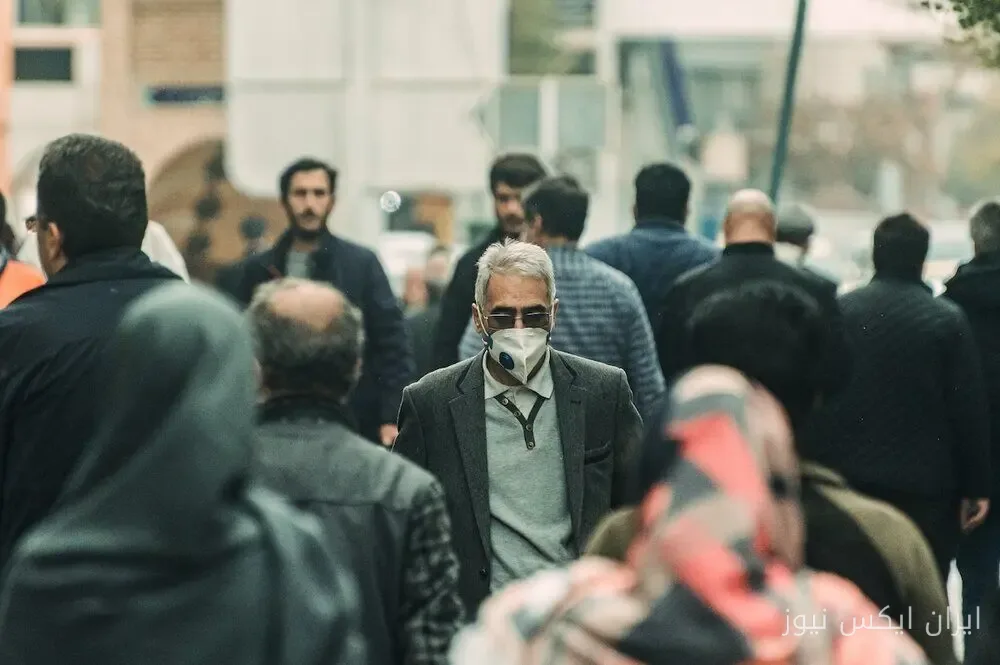
Experts emphasize the importance of adhering to health principles. Individuals with respiratory symptoms should avoid attending gatherings and closed environments, and if attendance is necessary, they should use appropriate masks. Ventilation of closed spaces, hand washing, and attention to disease symptoms can also be effective in reducing the transmission chain.
Read more: Increased warnings about the link between alcohol and cancer · New research: Low light during sleep threatens heart health