Ebrahim Noori Goshki, a family medicine specialist and a board member of the Iranian Scientific Association of Family Medicine, addressed the topic of patient safety and its connection to the family medicine program and referral system in an article.
Patients visit the healthcare system to get better, not to encounter new harm along the treatment path. Every time an individual enters a clinic, treatment center, hospital, or pharmacy, they step in with a fundamental expectation: care should help maintain or improve their health and prevent avoidable harm as much as possible. This expectation is not an extra privilege but part of the meaning of quality and patient-centered care.
Read more: Reducing the Risk of Heart Disease by Adhering to Blood Pressure Medications
The Role of the Healthcare System in Patient Safety
Patient safety cannot be reduced solely to the accuracy of a doctor, the skill of a nurse, or adherence to a guideline. Safety is the result of a system's performance; a system where timely diagnosis, correct prescriptions, effective communication, equitable access, continuous follow-up, and patient participation in decision-making come together.
The World Health Organization has declared the theme for World Patient Safety Day 2026 as "Safe Care for Non-Communicable Diseases" and its slogan as "Safe Care for Life." This choice emphasizes an important reality: caring for many patients is not a short event; it is a long journey that may start with prevention and diagnosis and include years of treatment, monitoring, rehabilitation, and self-care.
The Family Physician as the Patient's Anchor
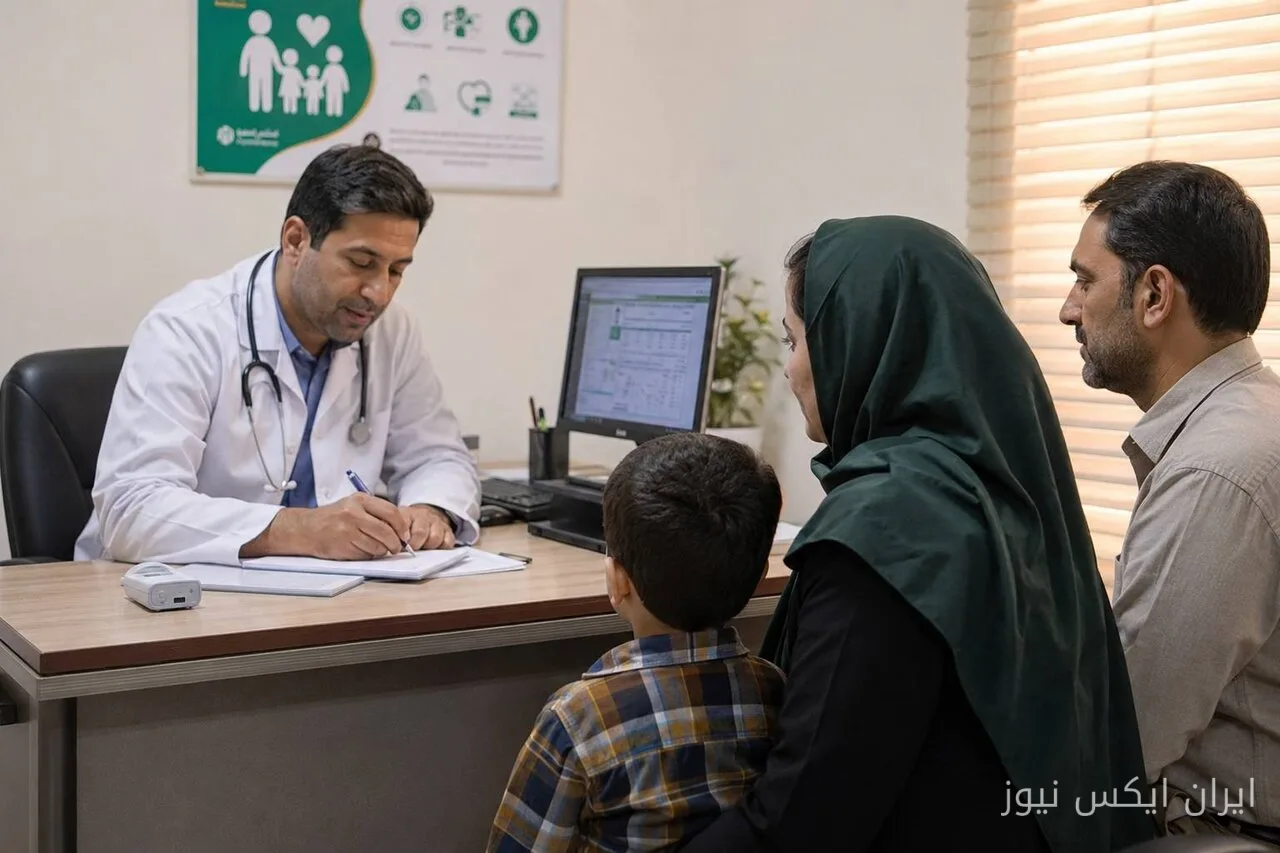
In response to the question of whether the entire care pathway is designed to be safe for the patient, the role of the family physician becomes particularly significant. A family physician is not just a doctor who examines the patient during a visit; they can be a continuous anchor for the patient within the healthcare system. A physician who knows the individual's health status over time, tracks risk factors, and directs them to the most appropriate level of specialty when needed.
This role, especially in non-communicable diseases, is directly related to patient safety. An individual with diabetes, hypertension, heart disease, or multiple simultaneous conditions typically requires a range of services. If these services are provided without coordination, the likelihood of information gaps, drug interactions, repeated tests, and patient confusion increases.
Patient Safety and Support Systems
Patient safety cannot be complete without hearing the patient's voice. The patient knows better than anyone else what medications they are taking and what symptoms they experience in daily life. A simple conversation can prevent harm. The family physician, due to their continuous relationship with the patient and family, can create a suitable space for these conversations.
Patient safety is no longer limited to the question of "Was the treatment action performed correctly?"; it must also be examined whether the entire care pathway is designed to be safe for the patient. The family physician, by understanding the medical history, social conditions, and lifestyle of the patient, can play an important role in answering these questions.
Read more: Warning from Semnan Police about Slippery Roads; 16 Injured · A Major Transformation in the Healthcare System of Chabahar; Family Physician as a Rail Layer for Treatment Justice