Half a million people in Sistan and Baluchestan have access to sewage services. The development of sewage infrastructure in this province has reached a new stage in the past two years with an increase in population coverage, the implementation of new networks, and the commencement of services in rural areas.
3% increase in access to sewage services
According to statistics from the Sistan and Baluchestan Water and Sewage Company, the index of access to sewage services has increased by 3% in the fourteenth government, and now 536,545 people from the province's population are covered by the sewage collection network.
Read more: The ecological ceiling for urban development in Iran is being determined
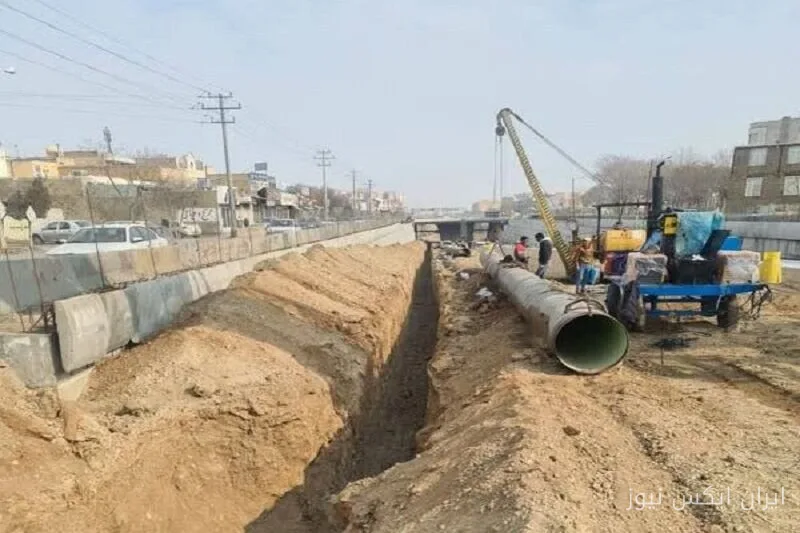
Farhad Sargolzai, the CEO of the Sistan and Baluchestan Water and Sewage Company, stated on Thursday morning while addressing reporters about the actions taken in this area: In the past two years, 107 kilometers of sewage network have been implemented across the province, which has played an important role in the development of urban services and increasing citizens' access to sewage infrastructure.
Rural areas entering the sewage service cycle
Sargolzai added: The development of the sewage collection network is the first stage of proper sewage management, and completing this chain requires simultaneous development of transfer, treatment, and reuse capacities for wastewater. He mentioned that with the operation of the first rural sewage project in the Khahak town of Zahak County, the rural access index, which was previously zero, has increased to 0.33 percent.
The CEO of the provincial water and sewage company emphasized: The development of sewage infrastructure, in addition to reducing the environmental impacts of unsanitary sewage disposal, can facilitate the use of treated wastewater in sectors such as agriculture and green spaces.
Statistics from the past two years indicate that the development of sewage services in Sistan and Baluchestan has been pursued along three axes: increasing the population covered, expanding collection networks, and starting services in rural areas; a path that requires the development of treatment facilities and sustainable wastewater management to complete.
Read more: Deer mate with their joyful calls in Golestan National Park · Global temperature record broken in August