The U.S. House of Representatives has increased economic pressure on Russia by passing a comprehensive sanctions package, which is now at the White House for Donald Trump's signature; a law that could also target buyers of Russian oil and gas with heavy tariffs.
Approval of the Sanctions Plan
On Thursday, the U.S. House of Representatives approved the new sanctions plan against Russia with 262 votes in favor and 159 against. This law not only intensifies economic pressure on Moscow but also grants Trump the authority to impose secondary tariffs of up to 100% on buyers of Russian oil and gas.
Read more: 15 Million Toman Wage Shortfall of Workers from Living Costs
Pressure on Russian Oil Buyers
One of the most important aspects of this plan is the increased pressure on countries that continue to purchase oil and gas from Russia. Under the new law, Trump will have the authority to set tariffs of up to 100% on imports from countries that buy significant amounts of energy from Russia. This part of the law could extend the scope of sanctions beyond Russia; as some of the largest buyers of Russian energy, including China and India, may be subject to such tariffs.
Targeting the Shadow Fleet
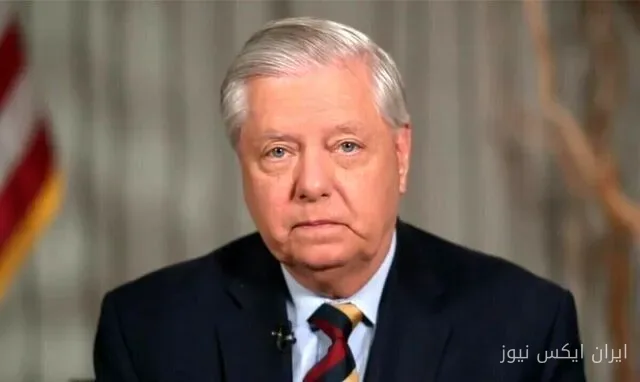
The new law also targets the so-called "shadow fleet" of Russia; a collection of mostly old tankers used to bypass Western sanctions and continue Russian oil exports. The approval of this plan has been under consideration in the U.S. Congress for over a year, stemming from the efforts of Senator Lindsey Graham and dozens of other senators in April 2025.
This sanctions package had long enjoyed broad bipartisan support in Congress, but concerns from the White House about certain provisions delayed final approval for months. Graham was also one of the main negotiators of this plan with the Trump administration. After Graham's sudden death in July, the name of this law was changed to honor him.
Political Disputes and Future Outlook
The approval of this plan, unlike many issues related to Russia and Ukraine, has somewhat altered the usual boundary between the two parties. Democratic leaders in the House opposed the law, although some ordinary Democrats voted in favor. The main disagreement among Democrats was over granting Trump more tariff powers, but Republicans in the House Rules Committee rejected Democrats' efforts to remove or limit this authority.
The Senate also approved this plan last month with broad bipartisan support; an action that followed Trump's official endorsement of the law. Now, with the final version approved in the House of Representatives, this law is on the President of the United States' desk for signature.
Read more: Household Heads' Calabarg Charged with National ID 3 to 6 · Turkey Halts Financial Transactions with Iran