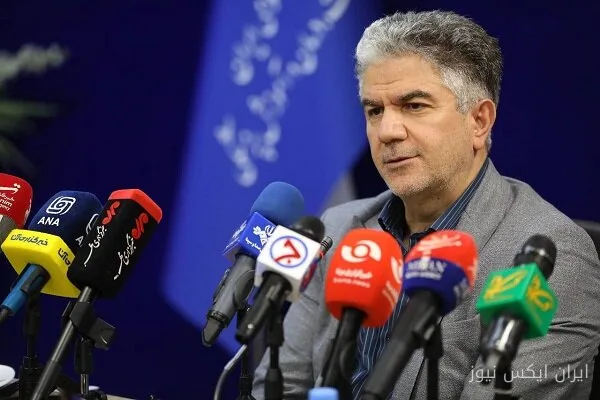
Seyed Sajad Razavi, at the World Patient Safety Day meeting, emphasized the importance of a real assessment of patient safety in healthcare centers and said: As healthcare services become broader, more specialized, and more complex, the likelihood of complex errors also increases. Therefore, it is essential to continuously identify and rectify high-risk and hazardous points in treatment processes before they turn into incidents.
The Necessity of Examining the System Instead of the Individual
Razavi continued: Errors should not be attributed solely to an individual and the issue should not be stopped at that level. In many cases, the error that occurs is the result of a combination of factors and weaknesses present in a process, and if we examine the system instead of the individual, we can identify the root causes of errors and prevent their recurrence.
Read more: Increasing Anxiety in Children and the Need to Change Educational Approaches
Responsibilities of the Health Team and Patients' Families
The Deputy Minister of Health stated that enhancing health literacy and active participation of patients are important requirements for patient safety and expressed: Patients must have sufficient awareness about their illness, treatment process, potential risks, and symptoms that require immediate notification to the treatment team. The more accurate information the patient and their family have and can participate in the treatment process, the greater the health system's capacity to timely identify risks and prevent errors will be.
Razavi also emphasized the necessity of continuous education and updating the knowledge of health system staff and said: Training for doctors, nurses, and other members of the treatment team should be continuous, targeted, and based on the real needs of the treatment environment, and the effectiveness of this training should also be measurable. Simply holding training courses, producing content, or providing scientific materials is valuable only when it ultimately leads to changes in processes and reduces preventable errors.
Official Incident Reporting System
He pointed out the necessity of using all informational resources to identify vulnerable points in the treatment system, saying: Sometimes, information related to an incident is published through public space and social media and can be considered a warning signal; however, what needs to be strengthened in the health system is the official system for recording, reporting, analyzing, and following up on incidents so that no incident remains unexamined and without lessons learned.
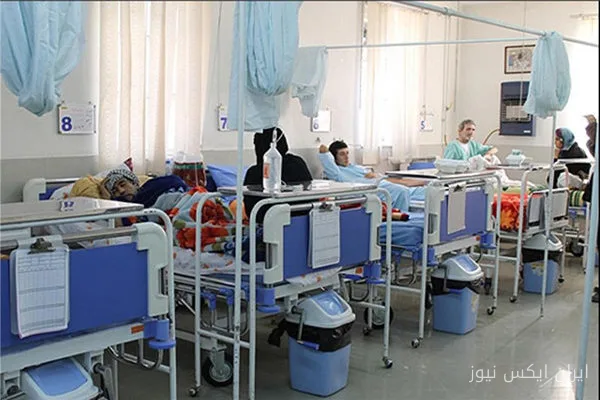
The Deputy Minister of Health emphasized the importance of a real assessment of patient safety in healthcare centers, stating: Hospitals are complex environments and due to the variety of diagnostic, therapeutic, and care processes, they are always faced with multiple risks. Therefore, there should be mechanisms in place to minimize the likelihood of errors and, in the event of an incident, to identify the cause and prevent its recurrence.
Finally, Razavi stressed the necessity of effective accreditation, saying: If a serious error occurs in a hospital despite the accreditation processes being followed, it should be examined which part of the process needs revision and what corrective action should be taken.
Read more: Why Losing Weight Becomes Harder After 30 · Stair Climbing: A Simple Exercise but Requires Caution