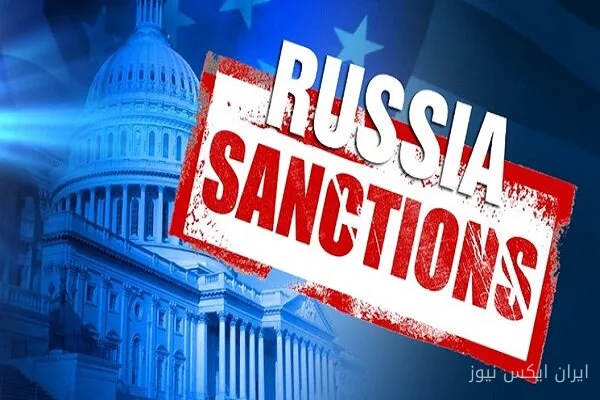
On Wednesday, the U.S. House of Representatives approved a comprehensive plan for sanctions and trade tariffs against Russia aimed at increasing economic pressure on Moscow. The plan was passed with 262 votes in favor and 159 against and is now sent to the White House for the President's signature.
New Presidential Powers for Tariff Imposition
According to this plan, the President of the United States will have the authority to impose tariffs of up to 100 percent against major oil and gas purchasing countries from Russia, including China and India. This action is intended to reduce these countries' economic dependence on Russian energy resources and could lead to global trade tensions.
Read more: 10 trillion rials allocated for the sustainability of agricultural production in North Khorasan
New Sanctions Against Russian Officials
This plan also includes sanctions against Russian officials, financial institutions, the energy sector, and the fleet of oil tankers known as Russia's "shadow fleet." These sanctions are in response to actions deemed a threat to global security. The goal of these sanctions is to pressure Moscow to change its international behaviors and reduce its influence in various geographical regions.
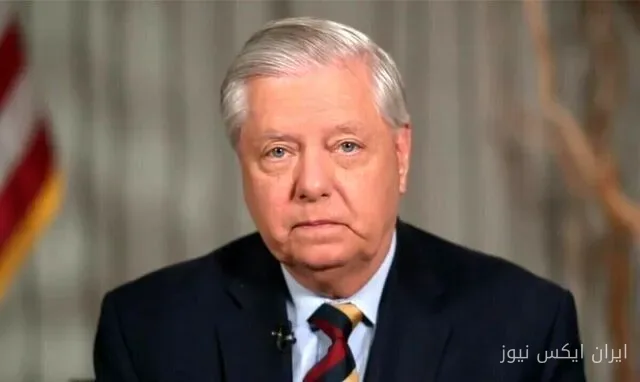
The sanctions plan, named the "Lindsey O. Graham Act" for sanctions against Russia and Iran in 2026, was previously approved in August with broad bipartisan support in the Senate. This support reflects political solidarity in addressing international threats.
However, several Democrats in the House of Representatives have expressed concerns about the extensive powers this plan grants the President regarding tariff imposition. These concerns relate to the potential for abuse of these powers and their negative impacts on global markets and U.S. trade relations with other countries.
Overall, the approval of this plan in the U.S. House of Representatives demonstrates the country's serious determination to exert pressure on Russia and reduce its influence in the international arena. Given recent developments in international relations, this action is expected to have significant repercussions for international trade and economic relations.
Read more: Member of Parliament: Development in Lorestan is not possible without sustainable water supply · Subsidy for the second group of beneficiaries of the coupon plan has been credited