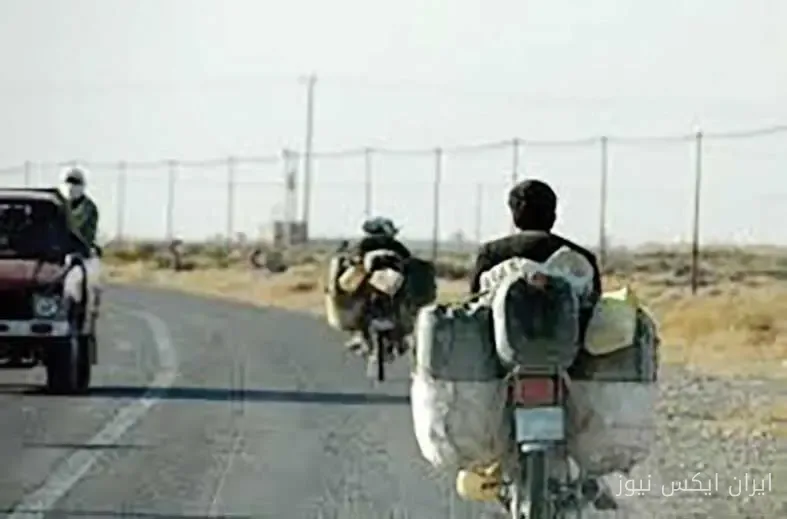
The gasoline quota limitation in Sistan and Baluchestan has turned into a livelihood crisis and prices have skyrocketed. This province, considered the most border and deprived area of the country, is facing serious challenges in fuel supply.
Fuel quota control policy and its consequences
The government has limited citizens' gasoline quotas to curb smuggling. However, according to local activists, this limitation has created a black market where the price of each liter of fuel has reached 100,000 to 120,000 tomans. More than half of the province's population, or 51%, are rural residents, and in the absence of public transportation, they are forced to travel long distances and incur high costs to access essential services.
Read more: National Date Day and its importance in Hormozgan's economy
Identity challenges and access to services
Sistan and Baluchestan, with an area of 181,785 square kilometers, is the second largest province in the country. According to the latest census, out of a population of over 2,775,000, 1,427,000 live in rural areas. This population dispersion and lack of a public transportation system have made fuel a necessary commodity. Residents of villages must travel for hours to access healthcare and administrative services, and in this context, fuel costs have become a heavy burden on them.
In response to this crisis, the Ministry of Oil has proposed a plan to eliminate free fuel cards at the province's gas stations. Starting from June 2026, fuel quotas will be deposited at the third rate into the smart cards of all private vehicles. The aim of this plan is to reduce intermediaries' access to the public quotas of the stations. This change occurs while there are still many ambiguities regarding the population without identification documents in the province. According to local sources, the actual population without identity documents may be estimated at several hundred thousand.
Residents of the province believe that the fuel rationing policy punishes ordinary citizens instead of hitting the main smugglers. For example, Obaid Malek-Reisi, a local journalist, recalls the heavy travel costs for visiting a doctor in Iranshahr, stating that the round trip cost for residents of remote villages exceeds 2,500,000 tomans. Under such circumstances, the current 130-liter quota is insufficient even for a week's use of a vehicle.
Residents of the province are asking policymakers to allocate the fuel quota directly to themselves and to have direct access to fuel instead of relying on the cards of station owners. They even have no problem with an increase in fuel prices, as long as the quota is provided directly and is verifiable.
Overall, the current government's policies regarding fuel rationing in Sistan and Baluchestan face serious challenges and need to be reconsidered and examined more closely to prevent negative impacts on people's lives.
Read more: Member of Parliament: Development in Lorestan is not possible without sustainable water supply · Davood Keshvari: Workers want their rights, not charity