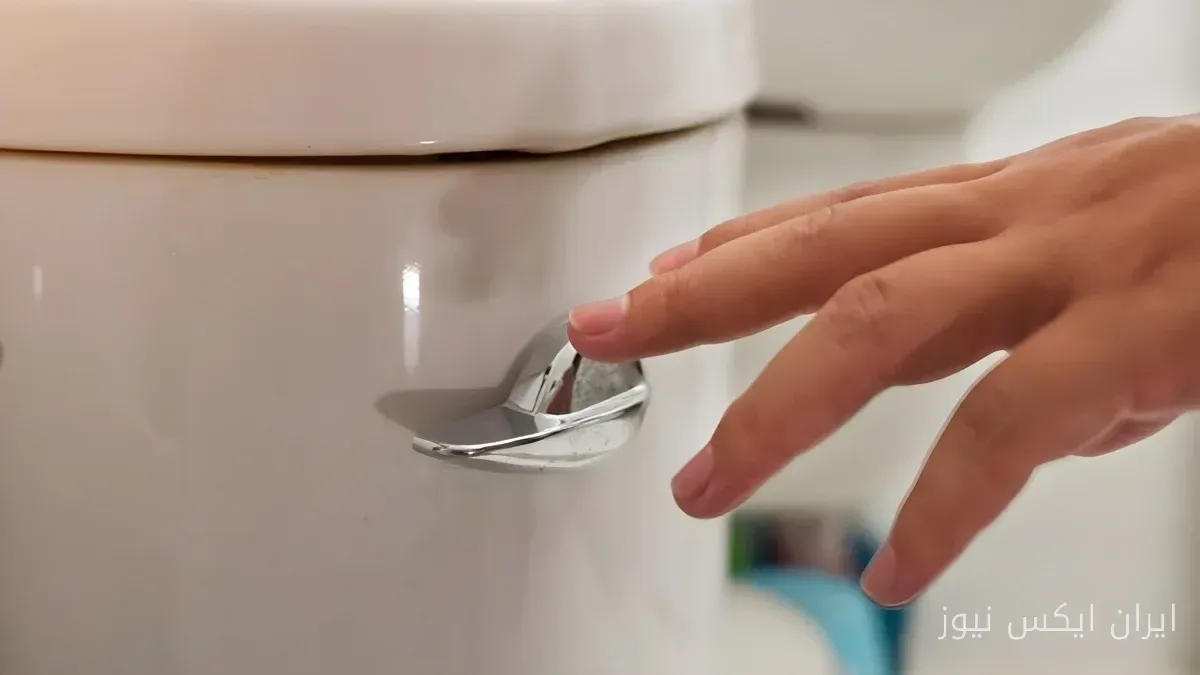
Flushing the toilet can propel a column of tiny droplets along with various microbes into the air up to human breathing height. These airborne particles can remain in the restroom for up to 20 seconds after flushing and can settle on skin, clothing, and surrounding surfaces.
Risks of Toilet Flush Pollution
The pollution caused by toilet flushing does not end with contaminated hands. Airborne biological particles create a new pathway for disease transmission. Studies by researchers at Flinders University in Australia, based on 22 scientific studies, show that the high-pressure water swirl in the toilet bowl creates severe turbulence and disperses biological particles from pathogens into the air.
Read more: Effects of Glass Getting Stuck Under the Skin on the Human Body
Microbial Vortex and Spray Control
When draining water under high pressure, the hydraulic energy of the toilet bowl ejects shattered water droplets. Researchers have found that as the volume and pressure of water increase, the density of the produced sprays also increases. If the toilet bowl contains bacteria or viruses, these contaminated particles are released along with tiny water droplets at the nearest distance from the toilet seat.
The level of toilet flush pollution is directly related to the initial concentration of pathogens in the water and toilet bowl. Regular cleaning of the restroom with disinfectants can prevent the buildup of grime and reduce the volume of bio-aerosols floating in the air. Additionally, choosing low-volume flush systems or dual-flush buttons can reduce the intensity of pollution ejection.
Closing the toilet lid before flushing is a simple strategy to control the movement of airborne particles. Although this action does not stop all contaminated particles, it changes the direction of the airflow. By closing the lid, particles are directed sideways through the gaps between the lid and the seat instead of being ejected directly upwards.
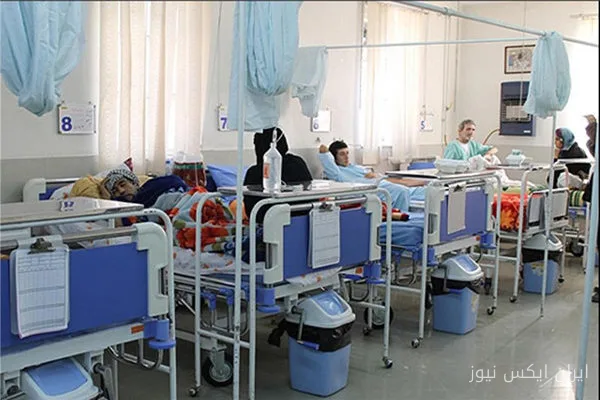
Having proper ventilation in the restroom also facilitates faster displacement and dilution of these aerosols in the air. Reducing the risk of toilet flush pollution in public environments, especially hospitals, is of high importance. Patients in healthcare facilities are more susceptible to hospital-acquired infections through inhalation of bio-aerosols due to their weakened immune systems.
Diversity in toilet engineering design, ventilation systems, and particle measurement methods emphasizes the need for new toilets with spray control mechanisms. The results of this research highlight the necessity of developing new standards in the construction of sanitary equipment.
Researchers believe that adhering to personal hygiene principles alongside awareness of aerosol behavior is the main strategy to prevent the cycle of disease transmission. Thorough handwashing with soap and water remains a fundamental requirement, but maintaining a reasonable distance and closing the toilet lid are effective complementary measures.
The design of flush toilets in the 19th century brought about a significant transformation in controlling infectious gastrointestinal diseases, but engineers of that time did not consider the phenomenon of aerosol generation. The primary focus of traditional designers was on the rapid and complete disposal of waste with maximum water pressure; an approach that inadvertently created conditions for the dispersion of microscopic particles in the air.
Our current understanding of fluid dynamics and the movement of suspended particles indicates that water discharge nozzles should be designed to create a water swirl without generating tiny bubbles and vertical spray. Adjusting the angles of water discharge and using non-stick nano coatings in the toilet bowl are among the innovative engineering ideas to solve this long-standing challenge.
Read more: Inhalable Microplastics More Common in Lung Cancer Patients · Family Physician Plan in Mazandaran Has Entered the Implementation Phase