Ahmed Al-Shar'aa, the head of the interim government in Damascus, announced at his recent meeting at the "Arab Media Association" in the United Arab Emirates that Syria has been reborn following the lifting of sanctions. He thanked Recep Tayyip Erdoğan, the President of Turkey, and Mohammed bin Salman, the Crown Prince of Saudi Arabia, for their efforts in supporting Syria, reflecting his ideas about the future of Syria and its relations with its neighbors.
Protests and Rising Fuel Prices
Syria has recently faced protests due to rising fuel prices. This new wave of protests began on September 13, and in a video shared on social media, a Syrian citizen shouted, "We do not want roundabouts or new shopping centers, we just want to live."
Read more: The Sajadroud Dam is on the verge of implementation
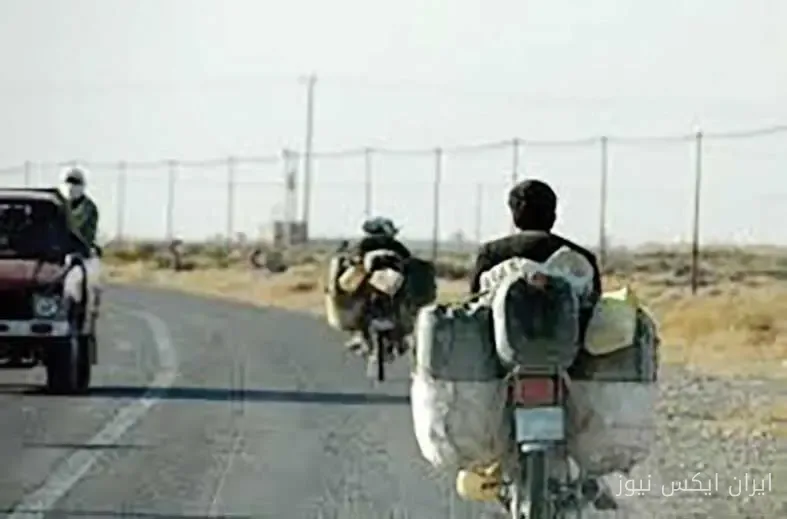
The Syrian Oil Products Pricing Committee has announced that the price of fuel and gas has increased by an average of about 22 percent. The price of household and industrial gasoline has risen by about 9 percent, while the price of diesel has increased by 40 percent. The price of each liter of 95-octane gasoline has risen to 195 Syrian pounds, and diesel to 175 pounds. These price increases have led to protests and road blockages in seven provinces, including Aleppo, Hama, and Idlib.
Economic and Social Challenges
Despite government promises regarding reconstruction and attracting foreign investment, many Syrians are protesting the current economic situation. Domestic oil production in Syria, which has significantly increased, still falls short of the daily need of 120 to 150 thousand barrels. The International Monetary Fund has predicted that the Syrian economy will experience double-digit growth by 2026, but poverty and inflation remain serious issues for the country.
Economic crises are only a small part of Syria's problems. The psychological damage from conflicts and violence, water shortages, and food crises are other challenges that Al-Shar'aa's government faces. The average salary of employees covers only 28 to 38 percent of the living costs for a family of five, exacerbating public dissatisfaction.
Read more: Household vouchers for heads of families have been charged with national code 3 to 6 · Davood Keshvari: Workers want their rights, not charity